


Home ICU care is appropriate only when a patient still needs complex monitoring or life-support equipment but is stable enough to leave the hospital. The key decision is whether the patient’s condition, caregivers, home environment and emergency plan can support safe care outside an ICU; the sections below show how to assess each factor and when hospital transfer is urgent.
Key takeaways
- Consider home ICU care only after the patient is clinically stable.
- Get the treating doctor’s documented discharge assessment before transfer.
- Match ventilation, monitoring and nursing support to the illness stage.
- Confirm 24-hour staffing and a clear route back to hospital care.
Use the stability rule before considering home ICU care
A patient is safe to consider for home ICU care only when the illness is clinically stable, the treatment plan is defined, and trained support can deliver the required monitoring. Typical needs include mechanical ventilation, tracheostomy care, frequent nursing assessment or intensive monitoring.
Home ICU is a planned continuation or transition of care, not treatment for newly developing acute respiratory failure.
- Check for instability. Do not wait for ICU care services at home if breathing is rapidly worsening, blood pressure suggests shock, confusion is new, the airway is unstable or chest pain is severe.
- Call an ambulance for severe breathlessness, unresponsiveness, a seizure, uncontrolled bleeding, blue lips or face, a sudden fall in oxygen saturation, new chest pain or signs of collapse. These require hospital evaluation.
- Compare the setting. Home ICU cannot provide immediate intubation, surgery, advanced imaging, blood-bank support, multiple specialist teams, continuous laboratory testing or operating-room access.
- Confirm a workable plan. The patient needs prescribed settings, monitoring, trained caregivers and a hospital escalation route for equipment failure or deterioration.
When home ICU is appropriate, it supports predictable needs after hospital treatment, such as ventilator weaning or ongoing tracheostomy care. It is not a substitute for hospital treatment when a patient is actively deteriorating. Home ICU versus hospital ICU is therefore a stability decision, not simply a choice between locations.
Complete the treating doctor’s discharge assessment before transfer
Before transfer, the treating doctor must complete a clinical eligibility assessment confirming that the patient is stable for ICU-level care at home. The written discharge plan must state:
1. Diagnosis, prognosis, airway status, presence of a tracheostomy, ventilator mode and settings, prescribed oxygen flow or concentration, recent oxygen-saturation readings or arterial-blood-gas results, blood-pressure stability and heart-rate pattern.
2. Infection-control precautions, medication names and administration times, nutrition and fluid plans, wound or drain care, and the clinician responsible for follow-up.
3. Alarm limits, suction requirements, airway-interface care, monitoring frequency and the exact escalation route, including the receiving hospital and transport arrangements.
Home mechanical ventilation is not the same as home oxygen therapy. Oxygen raises the concentration breathed; a ventilator supports ventilation and carbon-dioxide removal. Oxygen must be prescribed and titrated, especially for patients with COPD or another risk of carbon-dioxide retention. Do not adjust it independently.
A pulse oximeter helps track trends but cannot decide ICU eligibility alone. Poor circulation, cold fingers, motion, nail products, skin pigmentation and device quality can distort readings, so symptoms and clinical examination take priority when the number conflicts with the patient’s condition.
Without a complete handoff and written discharge plan, equipment alone does not make tracheostomy care at home or ventilator support safe.
Match home ICU care to the patient’s stage of illness
Home ICU care is considered for a patient who is stable enough to leave hospital but still needs predictable clinical support. The care stage matters more than the diagnosis.
| Stage of illness | Example of home ICU care | When it fits |
|---|---|---|
| Ventilator weaning at home | Gradual reduction of ventilator support with oxygen and monitoring | The patient is stable after prolonged hospital treatment and has a prescribed weaning plan |
| Tracheostomy recovery | Suctioning, airway observation and tracheostomy care | Secretions and breathing are manageable with trained caregivers available |
| Prolonged oxygen support | Prescribed oxygen after the acute illness has settled | Oxygen flow is ordered and monitored rather than adjusted by guesswork |
| Stable post-operative monitoring at home | Vital-sign checks, wound observation and medication support | No further procedure is expected and deterioration triggers are documented |
| Post-stroke home care | Close observation, feeding support and assistance with airway care | The patient is medically stable but cannot safely manage these needs alone |
| Palliative care | Symptom control and comfort-focused nursing | The goals are comfort and avoiding unwanted hospital transfers |
Chronic stable hypercapnic COPD or another long-term respiratory condition may qualify for home ventilatory support after specialist assessment. An acute COPD exacerbation with new respiratory failure requires hospital treatment and reassessment after stabilization, not automatic home ventilation.
Diagnosis alone does not establish eligibility. The patient needs predictable needs, stable vital signs, a workable treatment plan and caregivers who can respond to deterioration; without those conditions, home ICU care is unsafe.
Build the equipment and home environment around the care plan
An ICU bed at home is safe only when it matches the patient’s prescribed care plan. Do not accept a standard package: a ventilator-dependent patient needs different equipment from someone requiring wound care, feeding support or oxygen after hospital discharge.
1. Write a home ICU equipment checklist from the treatment orders. Include an adjustable ICU bed, oxygen cylinders or a concentrator, a pulse oximeter, vital-sign monitor, suction machine, infusion pumps, nebulizer, emergency medicines, airway supplies, dressings, feeding equipment and required consumables.
2. For a ventilator-dependent patient, arrange a backup ventilator or a defined alternative, fully charged batteries, and manual ventilation equipment when prescribed. Record the response to power failure, disconnection, tube obstruction and each ventilator alarm; backup power for home ventilator use must cover the documented battery duration and planned evacuation time.
3. Inspect the room before transfer. Confirm space for bed-to-stretcher transfer and staff movement, adequate electrical load, proper earthing, ventilation, reliable telephone or network connectivity and ambulance access for a stretcher. Check oxygen cylinder storage at home: keep cylinders upright, secured, ventilated and away from heat, flames, smoking and oil or grease.
4. Keep a written backup plan beside the patient’s records. It must name actions for electricity failure, equipment breakdown, supply shortages and transport, including the receiving hospital and emergency contact route. Equipment without continuity arrangements is not ICU-level care.
Confirm round-the-clock staffing and a hospital escalation route
Staffing depends on the patient’s airway and monitoring needs. A plan may require a critical-care nurse at home, a trained home ICU attendant, a doctor, a home respiratory therapist or an equipment technician. Family presence does not replace trained clinical coverage.
- Get the roster in writing: shift hours, nurse-to-patient arrangement, caregiver duties, alarm response, suction and tracheostomy skills, medication administration, and the clinician who reviews deterioration. Confirm who can respond to disconnection, obstruction or ventilator failure.
- Teach the family to recognise increased work of breathing, altered consciousness, repeated low oxygen readings, fever with worsening symptoms and inability to clear secretions. The home ICU escalation plan must say when to call emergency services immediately for red flags and when to call the designated clinician for non-emergency deterioration.
- Require a handoff naming the receiving hospital and explaining how transport will continue oxygen, ventilation and monitoring. Ask providers such as Dhanraj Complete Healthcare Pvt. Ltd for written qualifications, shift hours, response times, equipment-maintenance records, consumable availability and the hospital-transfer process.
Do not accept “24-hour support” without names, hours and response duties. The decision should rest on verifiable clinical coverage, not an equipment list alone.
Related products
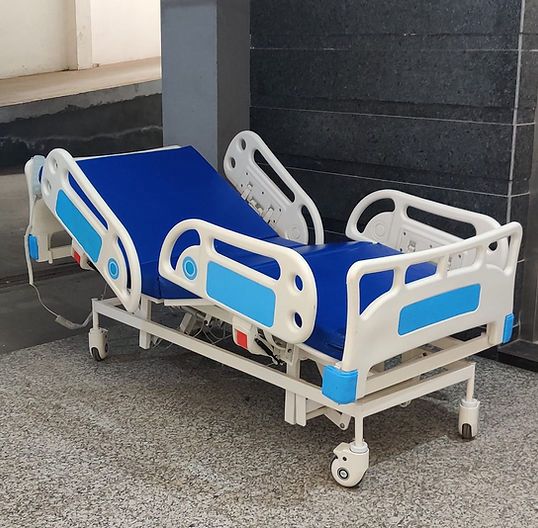 | Home ICU Care Services Gurugram Near Me Home ICU Care Services Gurugram Near Me 24x7 hours all services icu home services available here Cost-effectiveness, a lower risk of hospital-acquired infections, quicker recovery, and... View product → |
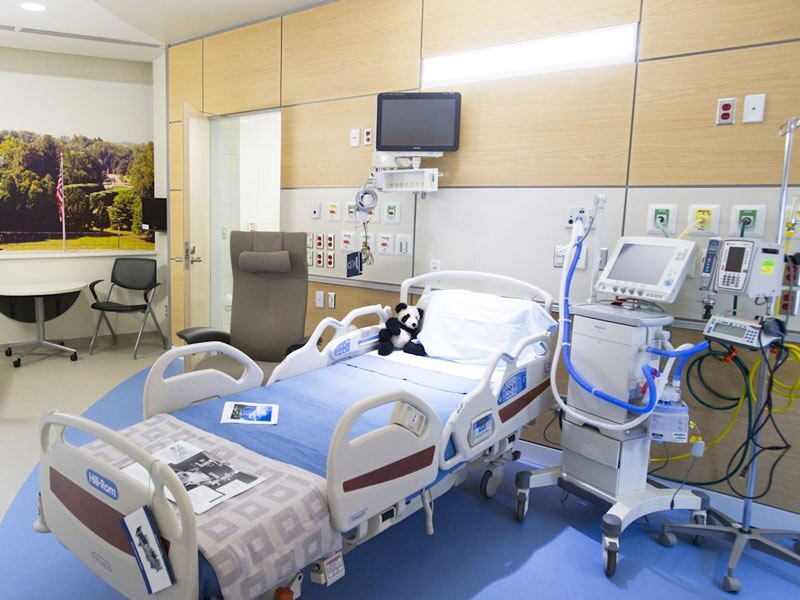 | ICU setup at home ICU Home Care Setup In Gurgaon It would be necessary to place the patient in a long-term intensive care facility. View product → |
Frequently asked questions
When is a patient stable enough for home ICU care?
Consider home ICU care only when the illness is clinically stable, treatment is defined and trained staff can provide the required monitoring.
What should the treating doctor assess before discharge to home ICU care?
The treating doctor should complete a discharge assessment confirming clinical stability, the treatment plan and the monitoring and support required at home.
Which patients may need ICU care services at home?
Patients may need home ICU care when they require mechanical ventilation, tracheostomy care, frequent nursing assessment or intensive monitoring after their condition is stable.
What must be arranged before transferring a patient to home ICU care?
Arrange the required equipment, a suitable home environment, round-the-clock trained staffing and a defined route for escalation to hospital care.
Related products
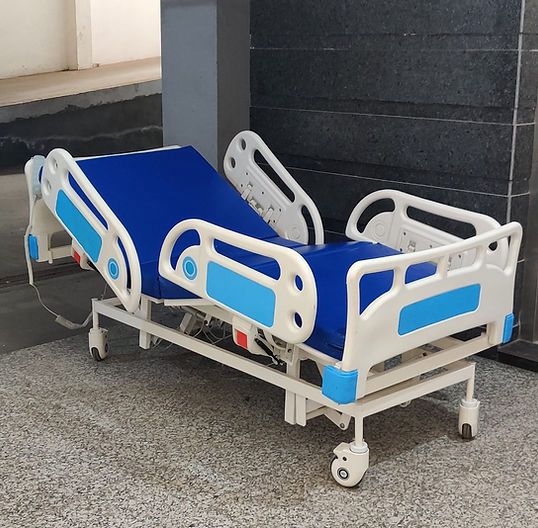 | ICU Setup at Home Gurugram near me ICU Setup at Home Gurugram near me 24x7 hours open services at home available here A cozy healing atmosphere, lesser hospitalization expenses, and a decreased risk of hospital-acquired... View product → |
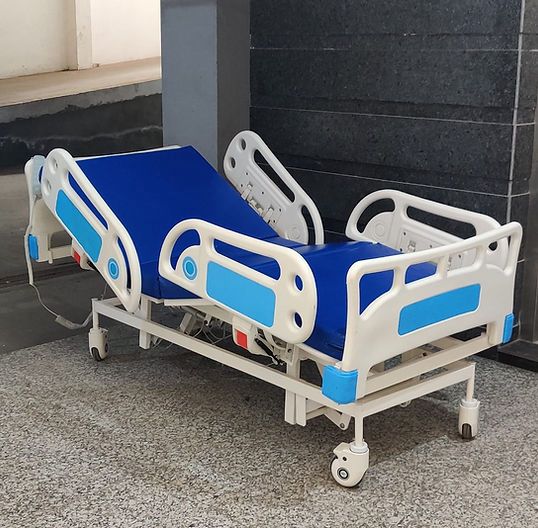 | ICU setup at home Gurugram 24x7 hours full icu services at home available here. Benefits of setting up an Intensive treatment Unit (ICU) at home in Gurugram include lower... View product → |
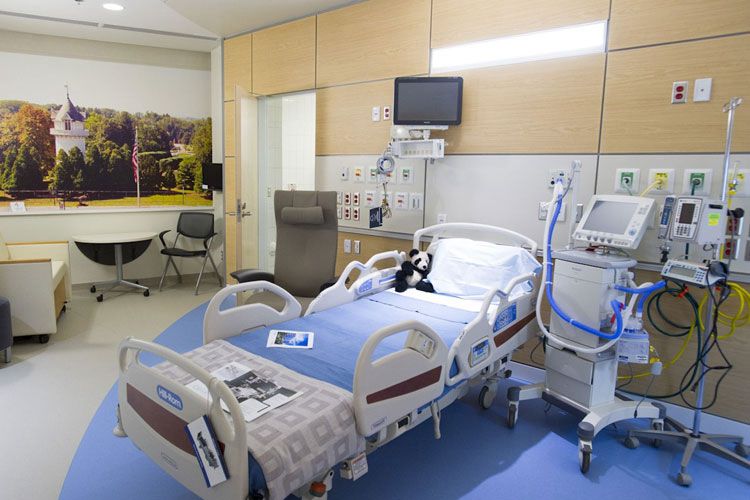 | ICU at Home Services in Gurugram Near Me ICU at Home Services in Gurugram Near Me 24x7 hours full ICU services at home available here 'Dhanraj Complete Healthcare' does offers ICU-level home services in Gurugram, if that's what... View product → |
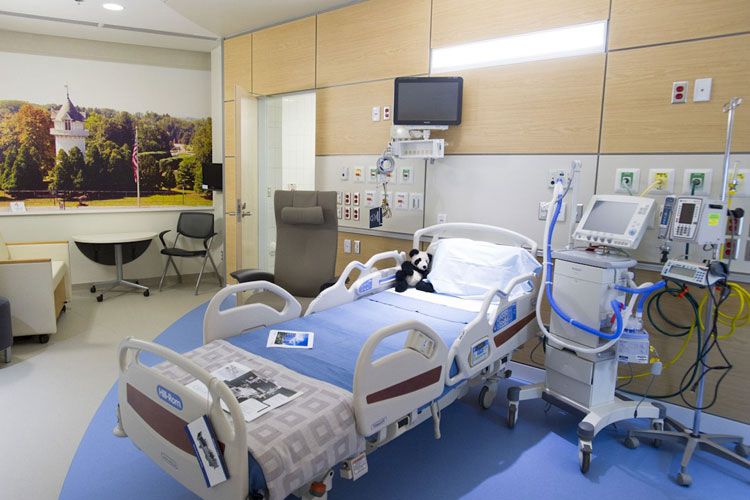 | The top most ICU setup services The top most ICU setup services The best ICU setup services Rent and Sell 24x7 hours services Reduced infection risk, financial savings over hospital stays, and improved emotional... View product → |