
The right support helps an older person remain involved in bathing, dressing, walking, eating, and making daily choices instead of taking over every task. You will be able to assess the help needed, write practical safety instructions, protect dignity, and choose between family care, attendants, skilled professionals, and other arrangements.
Key takeaways
- Use verbal prompts before hands-on help with safe daily tasks.
- Record routines, abilities, risks, preferences, and emergency contacts in writing.
- Improve lighting, handrails, flooring, and pathways without blocking useful movement.
- Review care and equipment after falls, illness, or changes in daily ability.
How can home care preserve a senior’s independence instead of replacing it?
Home care preserves senior independence by providing the least help needed for a safe task. Ask what the senior wants, let them complete every safe step, and use verbal prompts before touching or lifting. Their abilities, consent, and preferred routine should set the level of caregiver support for seniors.
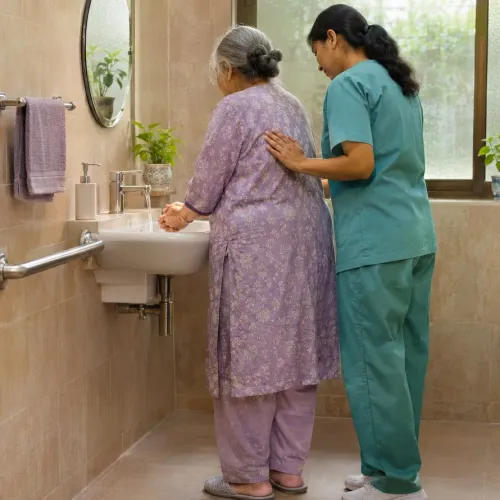
- Bathing: prepare towels and provide standby assistance near the shower; intervene if balance, fatigue, confusion, or danger appears.
- Toileting: keep the route clear and offer prompts or hands-on help only when needed.
- Dressing: an attendant can lay out clothing and stand nearby while the senior dresses.
- Eating: prepare meals, open containers, and observe intake without taking over.
- Medicines: give reminders, but ask a registered nurse to administer prescribed medication.
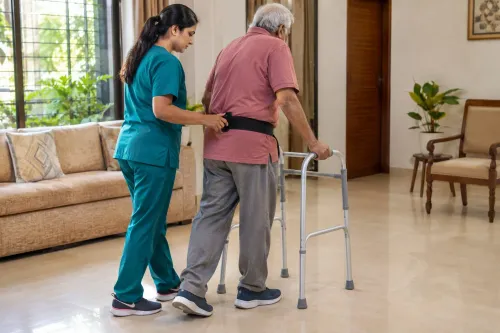
- Transfers and walking: cue the next movement and provide standby assistance before physical support.
- Sleep: follow the senior’s normal bedtime routine and report unusual night waking or confusion.
- Social activity: support calls, hobbies, walks, and visits rather than choosing activities for them.
2. Keep clinical boundaries clear. An attendant can support bathing, dressing, toileting, meals, and mobility; a registered nurse handles wound care or prescribed medication administration, a physiotherapist assesses strength and gait, and a doctor directs diagnosis and treatment.
A family decision-maker becomes involved when the senior cannot provide informed consent or an urgent safety choice is required.
3. Review the arrangement after a fall, worsening fatigue, confusion, or a change in ability. Increase help only for the risky part, so elder care at home protects both safety and senior independence.
What should a written home elder-care plan contain?
A one-page home care plan for elderly people should begin with the senior’s normal day: wake-up and sleep times, bathing preferences, food and fluid habits, mobility abilities, communication needs, cultural preferences, and activities that give the day meaning. Add diagnoses, allergies, medication-reminder instructions, fall history, toileting patterns, skin risks, emergency contacts, and treating clinician details.
| Task | Assistance level | What it means |
|---|---|---|
| Bathing or dressing | Independent | Completes it safely alone |
| Meals or medication reminders | Prompting | Needs verbal cues, not physical help |
| Walking or showering | Standby | You stay nearby without touching |
| Transfers or toileting | Hands-on help | You provide physical assistance |
| Wound care or medication administration | Professional care | A qualified nurse or clinician performs it |
- State exactly when to call for help: new confusion, fever, chest pain, breathlessness, a fall, uncontrolled pain, poor food or fluid intake, or a pressure injury.
Improve senior comfort at home by keeping water reachable, the bathroom pathway clear, clothing suitable, the room at a comfortable temperature, and the body well positioned. Manage moisture, inspect skin, encourage regular movement, and report symptoms early; a pressure-relieving mattress never replaces repositioning and skin checks.
Dignity in elderly care means asking permission before intimate care, closing doors and curtains, explaining each step, protecting personal information, and letting the senior choose whenever safety permits. Review the plan with the senior and update it after any health or ability change.
How can you make the home safer without restricting useful movement?
Use a combined fall-prevention check, not one gadget. Improve lighting at the bed, hallway, stairs, and bathroom; remove loose rugs and cords; keep pathways clear; add non-slip surfaces, stable grab bars, suitable footwear, and a bed height that allows safe standing. Supervise transfers when weakness or unsteadiness makes them risky.
- For fall prevention for seniors at home, review medicines, vision, strength, balance, and gait with the appropriate clinician.
- A cane or walker at the wrong height, used on the wrong side, or chosen without training can increase falls. Ask a physiotherapist or occupational therapist to assess, fit, and teach the aid.
- For home safety for elderly people using wheelchairs, fit seat width, depth, footrests, cushion, pelvic position, posture support, and pressure-relief needs. Check that the person can perform pressure relief safely.
- Make pressure injury prevention routine: reposition or move regularly, inspect skin, manage moisture and incontinence, use a suitable support surface, and maintain nutrition. A pressure-relieving cushion or mattress does not replace checks and repositioning.
- Do not install bed rails routinely. Entrapment, climbing, injury, and restraint risks require assessment of the person, bed, mattress, rail, and care plan.
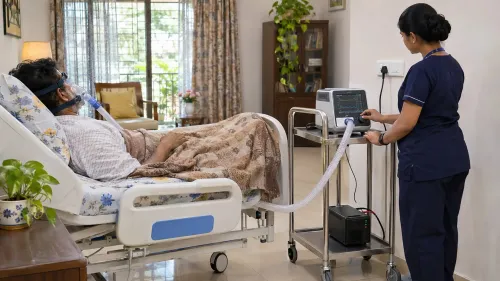
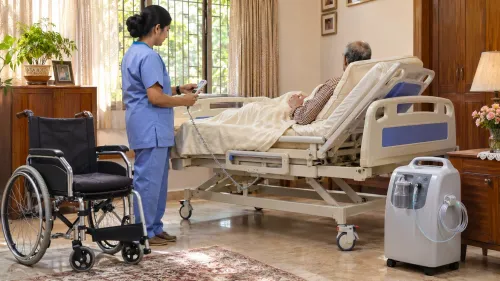
- Keep oxygen away from smoking, flames, sparks, and heat; never use oil or petroleum products near it. Plan for concentrator power failure with prescribed backup oxygen and supplier contacts.
- A medical alert button for seniors cannot prevent a fall or guarantee detection. Check charging, connectivity, wearing, emergency contacts, two-way communication, regular testing, and whether its fall detection suits the user.
Which home-care arrangement matches the senior’s needs and your family’s capacity?
Choose the arrangement by answering four questions: how many hours of supervision are needed, whether care is personal or clinical, how complex and changeable the condition is, and how much family can reliably provide.
| Option | Best fit | Main limitation |
|---|---|---|
| Live-in attendant | Near-continuous personal support and supervision | Not a substitute for clinical care or uninterrupted skilled nursing |
| Hourly caregiver | Help during selected periods with bathing, meals, mobility, or reminders | Gaps remain between visits |
| Family support | Predictable tasks relatives can sustain safely | Fails when work, distance, exhaustion, or emergencies disrupt availability |
| Adult day care | Social activity and daytime supervision while family works | Does not cover nights, transport, or unstable medical needs |
| Assisted living | Housing, meals, and ongoing support outside the family home | Requires relocation and may not manage complex clinical changes |
| Home nursing | Skilled nursing at home for prescribed clinical needs | Visit frequency depends on the care plan, not constant supervision |
The live-in attendant vs hourly caregiver decision depends on supervision hours, not convenience alone. Home care vs home health also matters: personal-care aides assist with bathing, dressing, toileting, meals, and mobility; licensed nurses and therapists provide skilled services under a clinician-established plan.
US Medicare home health generally requires homebound status, intermittent skilled nursing or therapy, and that plan. It does not pay for unlimited 24-hour care or custodial help alone. In Gurugram, Dhanraj Complete Healthcare Pvt. Ltd can provide a practical comparison when arranging elder care services in Gurugram, skilled nursing at home, or equipment.
- Supervise staff and document changes
- Cover absences and respond after hours
- Escalate a clinical concern promptly
Related products
 | Old Age Care Our attendants are present at every stage, helping with bathing, eating, engaging in stimulating activities for mental well-being, and making sure... View product → |
 | Patient care services at home 24x7 hours all types of patients care services available here Benefits of patient care services in Gurugram include individualized, expert treatment... View product → |
When should the care plan, equipment, or level of support be reviewed?
Review the plan after any change in safety, function, symptoms, or family capacity. An elder care reassessment is due after:
- A fall or near-fall.
- New difficulty transferring.
- Repeated missed medicines.
- Worsening continence.
- Weight loss or appetite change.
- Disturbed sleep.
- New skin redness.
- Breathlessness.
- Confusion.
- Hospital discharge.
- A caregiver who can no longer sustain the schedule.
Rental is sensible for temporary recovery, a changing condition, or a trial of fit and usability. Purchase suits predictable long-term use, but ownership includes cleaning, maintenance, battery replacement, storage, repairs, and disposal.
Use this medical equipment rental checklist before accepting rented or used equipment:
- Cleaning and infection-control records
- Recent safety inspection
- Weight limit
- Fit for posture and transfers
- Cognitive suitability
- Warranty and repair contact
- Delivery and pickup arrangements
- Written responsibility for cleaning, maintenance, batteries, damage, and disposal
A home care safety review should also confirm that oxygen, mobility aids, seating, and alarms remain appropriate. Add concerns to the caregiver escalation plan rather than waiting for the next scheduled visit.
The senior and family should reassess goals weekly at first, then after every significant change. Clinicians must update skilled-care instructions when treatment or function changes. Aim for the least restrictive support that keeps the senior comfortable, engaged, and safe—not maximum equipment or supervision.
Frequently asked questions
How can home care preserve a senior’s independence instead of replacing it?
Ask what the senior wants, allow every safe step, and use verbal prompts before touching or lifting. Provide only the help needed for the task.
What should a written home elder-care plan contain?
Record the senior’s abilities, routines, preferences, medications, mobility risks, care tasks, emergency contacts, and instructions for responding to changes.
How can you make the home safer without restricting useful movement?
Keep walkways clear, improve lighting, secure loose rugs, add suitable grab rails, and place frequently used items within easy reach. Avoid unnecessary restrictions.
Which home-care arrangement matches the senior’s needs and your family’s capacity?
Match support to the tasks the senior cannot safely complete, the hours relatives can provide, and the need for nursing, personal care, monitoring, or equipment.
When should the care plan, equipment, or level of support be reviewed?
Review them after a fall, hospital stay, new diagnosis, medication change, decline in mobility, repeated missed tasks, or a clear improvement in ability.
Related products
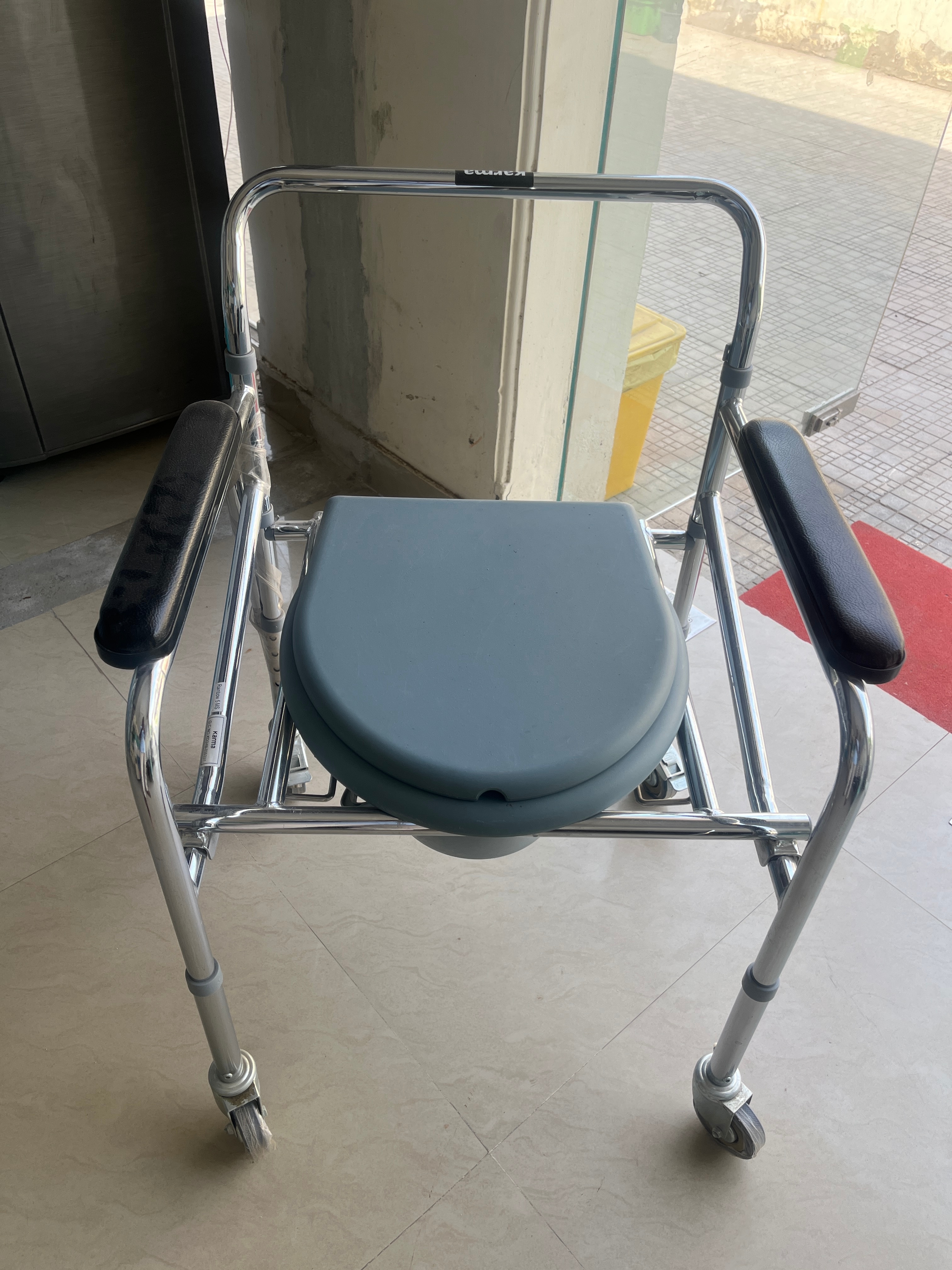 | commode wheel chair ₹4799 The Commode Wheelchair is a versatile and practical solution designed to enhance the mobility and independence of users who require assistance with... View product → |
 | Home Nursing Care Home Nursing Service encompasses a wide range of healthcare services that can be easily administered at your home. View product → |
 | Doctor Visit at Home services Near me Doctor Visit at Home services Near me 24x7 hours all services for patients care at home available here While there are many advantages to doctor visit at home services, the main ones are... View product → |
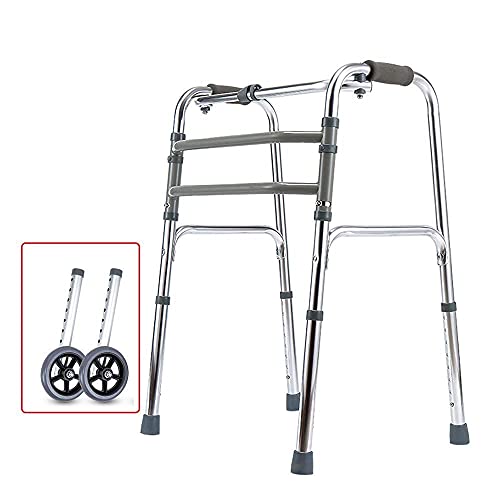 | The most popular items Walkers, Rollators & Accessories 24/7 The most popular items Walkers, Rollators & Accessories 24/7 24x7 hours all types of Walkers, Rollators & Accessories services available here For those with mobility impairments, walkers, rollators, and their... View product → |
Keywords