



A nursing attendant helps a patient manage essential daily activities, but the role has clear limits: attendants provide hands-on support and observation rather than diagnosis or independent clinical treatment. By the end, you will know what to include in a daily care routine, which safety tasks require training, and when to arrange a nurse, therapist, emergency service, or a different level of support.
Key takeaways
- Keep diagnosis, treatment, and medication changes with qualified clinical professionals.
- Build each shift around hygiene, meals, hydration, mobility, repositioning, and observation.
- Match supervision and transfer methods to the patient’s condition and equipment.
- Record changes clearly and escalate falls, breathing problems, confusion, or skin damage.
What a Nursing Attendant Can Do—and Where Clinical Care Begins
A nursing attendant provides hands-on daily support, not diagnosis or treatment. Typical home care attendant duties include bathing, dressing, grooming, toileting, meals, hydration, repositioning, walking assistance, transfers, companionship, and patient-related tidying. The attendant observes and reports changes; the worker’s credential and local rules determine whether any additional task is permitted.
| Role | Main responsibility | What it does not replace |
|---|---|---|
| Nursing attendant | Personal care, mobility support, observation, companionship, and routine reporting | Clinical assessment, diagnosis, treatment decisions, or skilled procedures |
| Registered nurse | Nursing assessment, care planning, medication administration, wound care, and clinical monitoring within the licence | A doctor’s diagnosis or prescription |
| Doctor | Diagnosis, prescriptions, treatment orders, and decisions about escalation | Continuous hands-on daily care |
| Physiotherapist | Mobility assessment, exercise, rehabilitation, and transfer training | Personal care throughout the day |
| Domestic caregiver | Household work such as cooking, cleaning, laundry, and errands | Personal care or clinical care unless separately trained and authorised |
The registered nurse vs nursing attendant distinction matters when a patient develops a new symptom or becomes less alert. A patient attendant should not independently change medicines, give injections, measure blood glucose for treatment decisions, insert a catheter, change a sterile dressing, or manage oxygen settings; ask a nurse or doctor.
Hand hygiene remains necessary before and after patient contact, after body-fluid exposure, and before food or medicines. Never improvise a transfer: confirm weight-bearing ability, helpers, footwear, and whether a gait belt, slide board, or lift is required.
What Should a Safe Attendant-Led Day Include?
A safe day follows a written daily patient care checklist, with support, observation, and recording continuing from waking until sleep. The attendant helps with routine activities but reports new symptoms instead of diagnosing or treating them.
| Time | Attendant support | Observe and record |
|---|---|---|
| Waking | Hand hygiene, toileting and bathing assistance, dressing, grooming, and oral care | Alertness, pain, dizziness, skin changes, and continence |
| Meals | Meal and hydration support, safe positioning, and hand hygiene before food | Food and fluid amounts, coughing, choking, vomiting, or refusal |
| Daytime | Transfers, walking, repositioning, companionship, and basic care-related tidying | Near-falls, falls, fatigue, behavior changes, urine or stool output, and pressure areas |
| Medication time | Medication reminders at home and routine access help only if authorised in writing | Missed or refused doses, side effects reported by the patient, and the person notified |
| Evening and sleep | Toileting, comfort positioning, fresh clothing or bedding, and a clear path to the toilet | New confusion, breathing difficulty, pain, restlessness, and overnight safety concerns |
Clean hands before and after patient contact, after body-fluid exposure or contaminated surfaces, and before food or medication handling. Gloves do not replace hand hygiene.
The handover should state what changed, what was completed, and who was informed. Do not let an attendant improvise a lift, administer injections, alter doses, manage a catheter, change a sterile dressing, or assess a new symptom; contact the supervising nurse or doctor.
How Should Support Change for Different Patient Conditions?
Match assistance to the patient’s abilities, restrictions, and care plan—not just the diagnosis. Wash hands before and after contact, after body-fluid exposure, and before food or medication handling; gloves do not replace hand hygiene.
- Dementia home care: keep waking, meals, toileting, and sleep times familiar. Use one-step instructions, allow extra time, and avoid arguing. Report sudden confusion or a sharp change from baseline.
- Stroke patient support at home: follow the nurse or physiotherapist’s transfer plan, protect the weaker side, and allow extra time for speech and movement. New facial drooping, arm weakness, speech trouble, or severe headache needs emergency help.
- Paralysis care: assist with prescribed transfers, repositioning, bathing, and skin checks. Do not perform exercises, catheter care, or wound treatment without specific training and direction.
- Fracture recovery care at home: respect weight-bearing limits, splints, casts, and walking instructions. Do not pull an injured limb or change the immobilisation.
- Incontinence: toilet on the agreed schedule, clean and dry the skin promptly, and report blood, fever, new pain, or reduced urine. Never insert or manage a catheter unless authorised and trained.
- Feeding difficulty: seat the patient upright, follow the prescribed food texture, and stop for coughing, choking, or a wet voice. Ask a nurse or speech therapist before changing the diet.
- Post-hospital weakness: pace bathing and walking, keep essentials within reach, and report worsening fatigue, dizziness, breathing difficulty, or a fall.
Attendants observe, assist, and report. They do not diagnose, change medicines, administer unapproved treatment, or replace a nurse or emergency service.
How Can Attendants Prevent Falls, Pressure Injuries, and Equipment Accidents?
Fall prevention for elderly patients starts with a clear mobility plan, not a hurried lift. Check whether the patient can bear weight, follow instructions, sit upright, and use both legs reliably. Keep floors dry and uncluttered, provide firm footwear, position the walking aid within reach, and never leave a high-risk patient standing alone.
- For safe patient transfers, use the agreed number of helpers and the prescribed gait belt, slide board, or mechanical lift. Lock wheelchair and bed brakes, raise the bed to a workable height, and do not improvise a lift when the patient cannot bear weight.
- During walking, move slowly, pause after standing, and watch for dizziness, knee buckling, or fatigue. Stop and sit the patient down if balance changes.
- For pressure injury prevention at home, inspect heels, hips, sacrum, elbows, and other bony areas daily. Keep skin clean and dry, manage incontinence promptly, use the prescribed pressure-redistributing surface, and follow an individualized repositioning plan rather than a fixed turning rule.
- Match a hospital bed, commode, wheelchair, or lift to the patient’s size, cognition, home layout, and caregiver ability. Learn its brakes, alarms, charging, maintenance, and emergency release before use.
- Apply oxygen safety at home: ban smoking, candles, gas-stove flames, and petroleum-based products near oxygen. Display a no-smoking notice and keep tubing away from walking paths.
Report persistent redness, blisters, open skin, worsening pain, falls, or repeated near-falls to the supervising nurse or clinician promptly.
How Do You Choose the Right Level of Home Support and Brief the Care Team?
Start with a home care assessment, not a job title. Match the patient’s transfers, cognition, toileting, feeding, night-time needs, clinical tasks, and home layout to the support required. Dhanraj Complete Healthcare Pvt. Ltd can help families separate assessment, attendant, nursing, transport, and equipment needs instead of treating them as interchangeable.
| Option | Best fit | Escalate or add support when |
|---|---|---|
| Attendant | Bathing, dressing, toileting, meals, mobility, observation, and companionship | The patient needs injections, sterile dressings, catheter care, clinical assessment, or medicine changes |
| Trained nurse | Wound care, catheter or feeding-tube care, prescribed clinical monitoring, and skilled procedures | Symptoms exceed the nurse’s orders or require hospital evaluation |
| Two caregivers | Heavy transfers, repositioning, or continuous supervision that one person cannot perform safely | The home lacks lifting equipment or the patient becomes medically unstable |
| Physiotherapy | Restoring strength, balance, transfers, gait, or joint movement through a prescribed plan | Pain, breathlessness, or neurological changes appear during activity |
| Family help | Stable routines, communication, meals, and oversight | Family cannot provide reliable coverage or safe physical assistance |
| Hospital care | Acute deterioration, serious injury, uncontrolled symptoms, or intensive monitoring | Do not wait for a home visit |
Use this caregiver handover checklist at every shift change:
- Current mobility, transfer method, diet, fluid and urine output
- Pain, skin changes, falls or near-falls, behaviour changes, and vital signs when authorised
- Medicines or appointments missed, equipment problems, and who was notified
- Signs requiring emergency medical help: severe breathing difficulty, chest pain, stroke warning signs, uncontrolled bleeding, loss of consciousness, or a serious fall
Knowing when to hire a home nurse prevents an attendant from being asked to perform clinical work. Assign equipment only after checking the patient’s size, cognition, layout, brakes, alarms, charging, and emergency operation.
Related products
 | Patient Care Our patient care services provide a broad range of care levels, from basic care given by physiotherapists and medical attendant services in Gurgaon... View product → |
 | Patient care services at home 24x7 hours all types of patients care services available here Benefits of patient care services in Gurugram include individualized, expert treatment... View product → |
Frequently asked questions
What can a nursing attendant do at home?
An attendant can help with bathing, dressing, grooming, toileting, meals, hydration, repositioning, walking, transfers, companionship, and patient-related tidying. Diagnosis and treatment belong to qualified clinical professionals.
What should a safe attendant-led day include?
A safe day includes a care briefing, personal care, meals and fluids, prescribed mobility support, repositioning, observation, documentation, and clear escalation of changes.
How should home support change for different patient conditions?
Support should reflect the patient’s mobility, cognition, breathing, continence, skin condition, and equipment needs. Higher-risk patients need closer supervision and clinical guidance.
How can attendants prevent falls, pressure injuries, and equipment accidents?
Use safe transfer methods, clear walking routes, regular repositioning, skin checks, working brakes and alarms, and equipment instructions matched to the patient.
Related products
 | Old Age Care Our attendants are present at every stage, helping with bathing, eating, engaging in stimulating activities for mental well-being, and making sure... View product → |
 | Home Nursing Care Home Nursing Service encompasses a wide range of healthcare services that can be easily administered at your home. View product → |
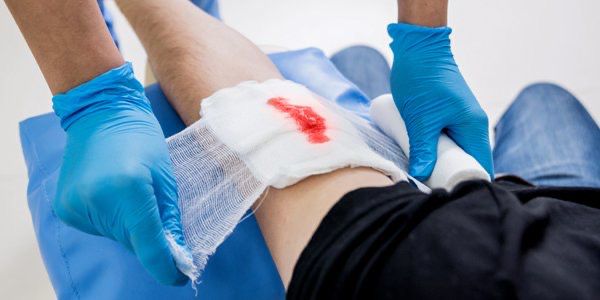 | Home dressing nurse Gurgaon Near Me Home dressing nurse Gurgaon Near Me 24x7 hours full nurse services for patients available here For individuals recovering from surgery or caring for persistent wounds, home dressing... View product → |
 | Nursing care at home 24X7 hours all types of nurse services at home available here In Emergency cases for patients services for calling number nurse : 9818401536 Dhanraj... View product → |