Private Ambulance service in gurgaon : Dhanraj Complete Healthcare Private Limited. Several private ambulance services operate in Gurugram (Gurgaon), offering a range of options from basic life support to ICU-equipped vehicles. Some popular options include Life Savers Ambulance Service, GoAid, and those associated with hospitals like Apollo and Max Healthcare. You can also find services like Naseeb Ambulance Services and Rescue 24 Ambulance Service, which are known for their availability and quick response times. Ambulance Number in Gurgaon 08048067980 24x7 Emergency Ambulance Service with trained emergency staff will reach you within 30 minutes*. Dhanraj has GPS-enabled ambulances strategically stationed throughout Gurgaon to shuttle across towards you most quickly. Book Dhanraj Healthcare ambulance services in Gurgaon at affordable cost and get private ambulance within 15 minutes in your doorstep with doctors and nursing staff. Dhanraj Healthcare Service Gurugram offers 24/7 ICU road, train, air ambulance service with advanced care, expert teams, bed-bed transfers. #ambulance #ambulancebestservice #ambulancegurgaon #ambulanceicu #ambulancenewdelhi #ambulancefastservice #privateambulance #ambulancenearby #airambulanceingurgaon #ambulancewithfreezer Here's a more detailed look at some options: Life Savers Ambulance Service: Located in Sector 51, Gurugram, they offer 24/7 emergency services with in-house ambulances and medical teams. GoAid: They emphasize a swift response time (within 10 minutes) and provide a variety of ambulance types, including normal, oxygen, ICU, and specialized vehicles. Apollo Hospitals: A well-known healthcare provider that also offers ambulance services. Max Healthcare: They can be reached by calling 011 4055 4055 for emergency services. Naseeb Ambulance Services: They are known for their ease of booking, reasonable pricing, and quick response times. Rescue 24 Ambulance Service: They are also available 24/7 and provide various ambulance services, including those with ventilators and AC. Shri Balaji Ambulance Service: A long-standing service in Sector 12, Gurgaon, known for catering to both local and outside clients. Ayushmaan Life Support Ambulance: They offer fully equipped ICU backups and emergency life-saving medicines. MedCab: Can be reached by calling 18008-908-208 for private ambulance services. 108 Emergency Response Service: While a government service, it is a good option for emergencies and can be reached by dialing 108. When choosing, consider factors like: Location: Ensure the service is easily accessible to your location. Type of ambulance: Determine if you need basic life support, ICU, or specialized transport. Response time: Some services prioritize quick response times, which can be crucial in emergencies. Cost: Inquire about the pricing structure, including base fares, per kilometer charges, and waiting charges. Customer reviews: Check online reviews for feedback on service quality and reliability. How do I call an ambulance in Gurgaon? Ambulance Service in Gurgaon A simple call to 011 4055 4055 connects you to our dedicated Emergency Services, ensuring a well-equipped ambulance with trained emergency staff is dispatched to your location within 15minutes* (only for house calls). I hope this information is very very useful to you and your family. Fore getting more information please contact this help line number:08048067980 Thanks for visiting our company Dhanraj Complete Healthcare Pvt Ltd Address:Near Artemis Hospital,[ sector 51,51 ] 662P Ground floor MOB:9266801536,08048067980,9818401536
Ambulance services Near by Me Dhanraj Complete Healthcare Pvt Ltd. "Welcome To Dhanraj Complete Healthcare Ambulance,Dhanraj Life Support Ambulance, is run by a group of highly skilled professionals providing a complete spectrum of healthcare services.Dhanraj Ambulance head office is in Gurgaon , India . We believe in maintaining a personal relationship with all our patients, and not just treating them as a client or company. We have mutual respect, maintain best communication and also keep reasonable accountability towards our patients/ clients. We have been transporting patients across India and around the globe by aircraft, commercial airlines, trains, and road ambulance. #icuambulance #bestambulanceservice #airambulance #ambulanceingurugram #aclsambulance #ambulancenearme #ventilatorambulance #trainambulance" 24 Hours Ambulance Services in Gurgaon, Gurgaon. Find ✓ Ambulance Services, ✓Air Ambulance Services, ✓ICU Ambulance Services, ✓Ambulance with Ventilato Get access to the fastest emergency ambulance service in Gurgaon. Book an ambulance service in advance with Zenzo today and get immediate expert medical care We provide 24*7 ambulance service in Gurugram that ensures fast and reliable transportation to nearby hospitals. Ambulance Number in Gurgaon 08048067980. 24x7 Emergency Ambulance Service with trained emergency staff will reach you within 15 minutes and less. Dhanraj healthcare offers a variety of emergency ambulance services in Gurgaon. Call our ambulance number 08048067980. Ambulance services offer crucial features like rapid response, well-trained medical personnel, and specialized equipment to provide timely and effective medical care during emergencies. These services are vital for stabilizing patients at the scene, transporting them to hospitals, and ensuring they receive the necessary medical attention. Key Features and Benefits: Rapid Response:Ambulances are equipped to reach emergency scenes quickly, minimizing delays in providing medical assistance. Well-Trained Medical Staff:Paramedics and EMTs provide on-site stabilization, administer life-saving measures, and ensure proper patient care during transport. Specialized Equipment:Ambulances carry essential medical equipment such as oxygen tanks, defibrillators, first aid kits, and more to address various medical emergencies. 24/7 Availability:Ambulance services are typically available around the clock, ensuring assistance is accessible at any time. Remote Area Accessibility:Ambulances can reach patients in remote locations, extending healthcare access to underserved areas. Emergency Preparedness:Having ambulances available in societies and communities enhances overall emergency preparedness. Support for Critical Patients:Ambulances facilitate the transportation of critically ill patients requiring advanced medical support during transit. Medical Procedures Support:Ambulance services can assist with medical procedures like oxygen administration, wound care, and medication delivery. Reduced Panic in Emergencies:Having ambulances stationed in communities can reduce panic during emergencies, knowing that help is readily available. Transportation for Routine Checkups:Some services can also assist with non-emergency medical transportation for routine checkups or procedures. Enhanced Patient Safety:Ambulance services ensure patient safety during transport through trained staff and specialized equipment. Coordination with Hospitals:Ambulances work closely with hospitals to ensure a smooth transition of care upon arrival. Advanced Life Support (ALS):Some ambulances are equipped for advanced life support, offering specialized care for patients with critical conditions. Specialized Services:Some private ambulance services offer specialized services like event medical coverage and patient transfers between facilities. Teleconsultation:Certain services provide teleconsultation and first aid at home before arranging hospital transfers. Reduced Response Time:Stationing ambulances in residential societies reduces response times and enables faster medical assistance during emergencies. Affordable and Efficient:Road ambulances are generally cost-effective and efficient for both local and intra-city medical needs. I hope this information is very very useful to you and your family. Thanks for visiting our company Dhanraj Complete Healthcare Private Limited. Address:Near Artemis Hospital sector 51,52 [662P,ground floor] Mob : 08048067980,9266801536,9818401536
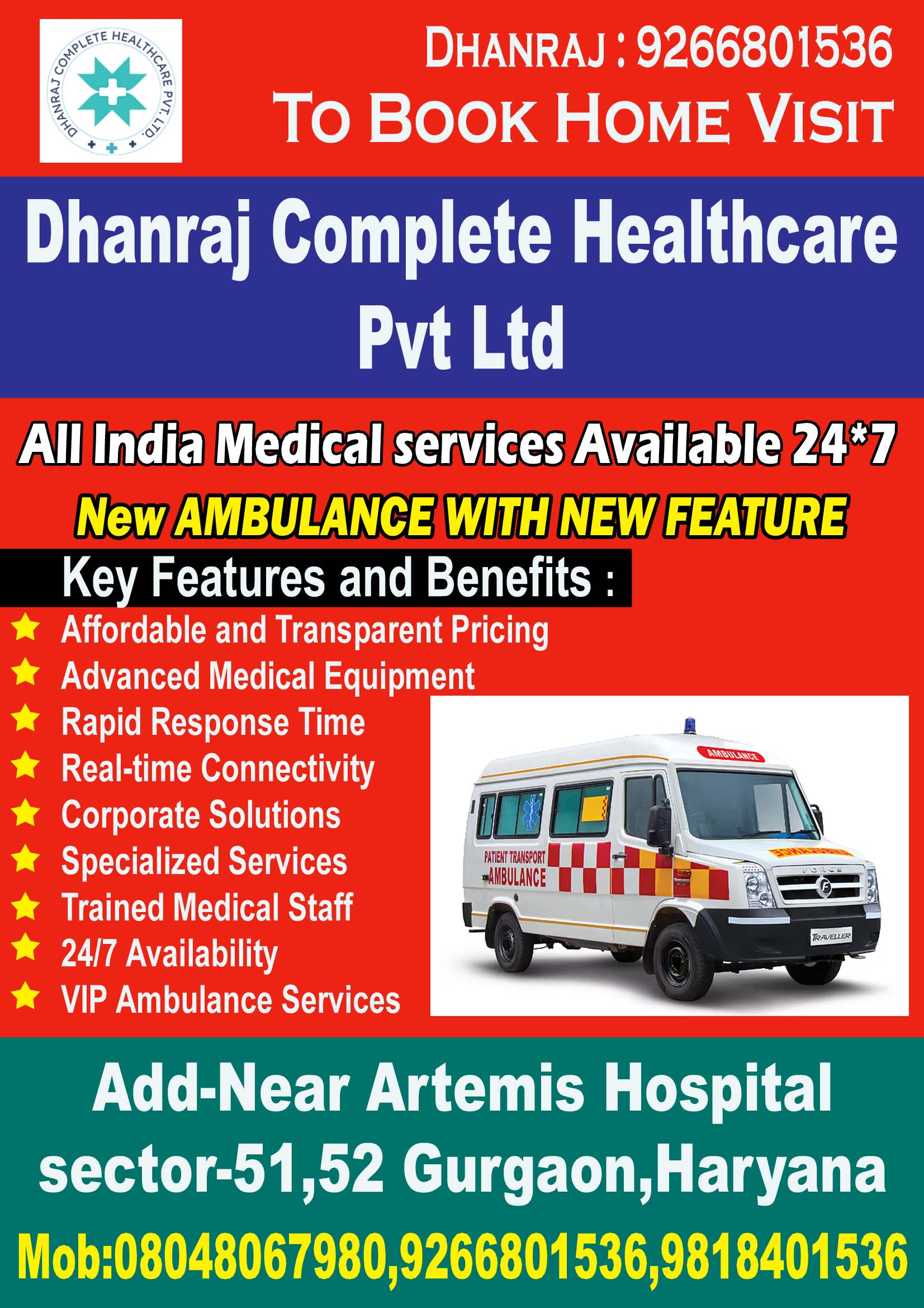
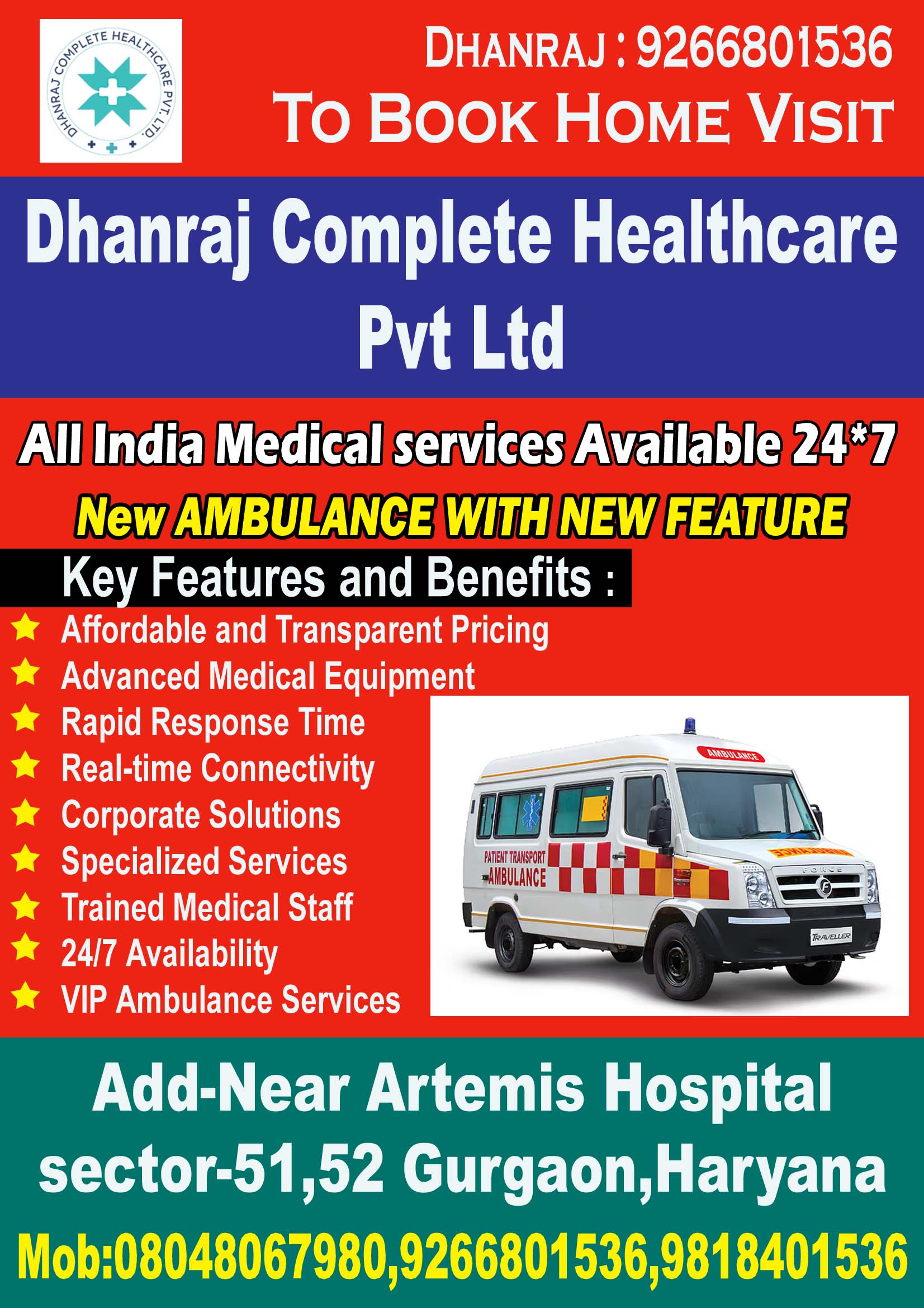
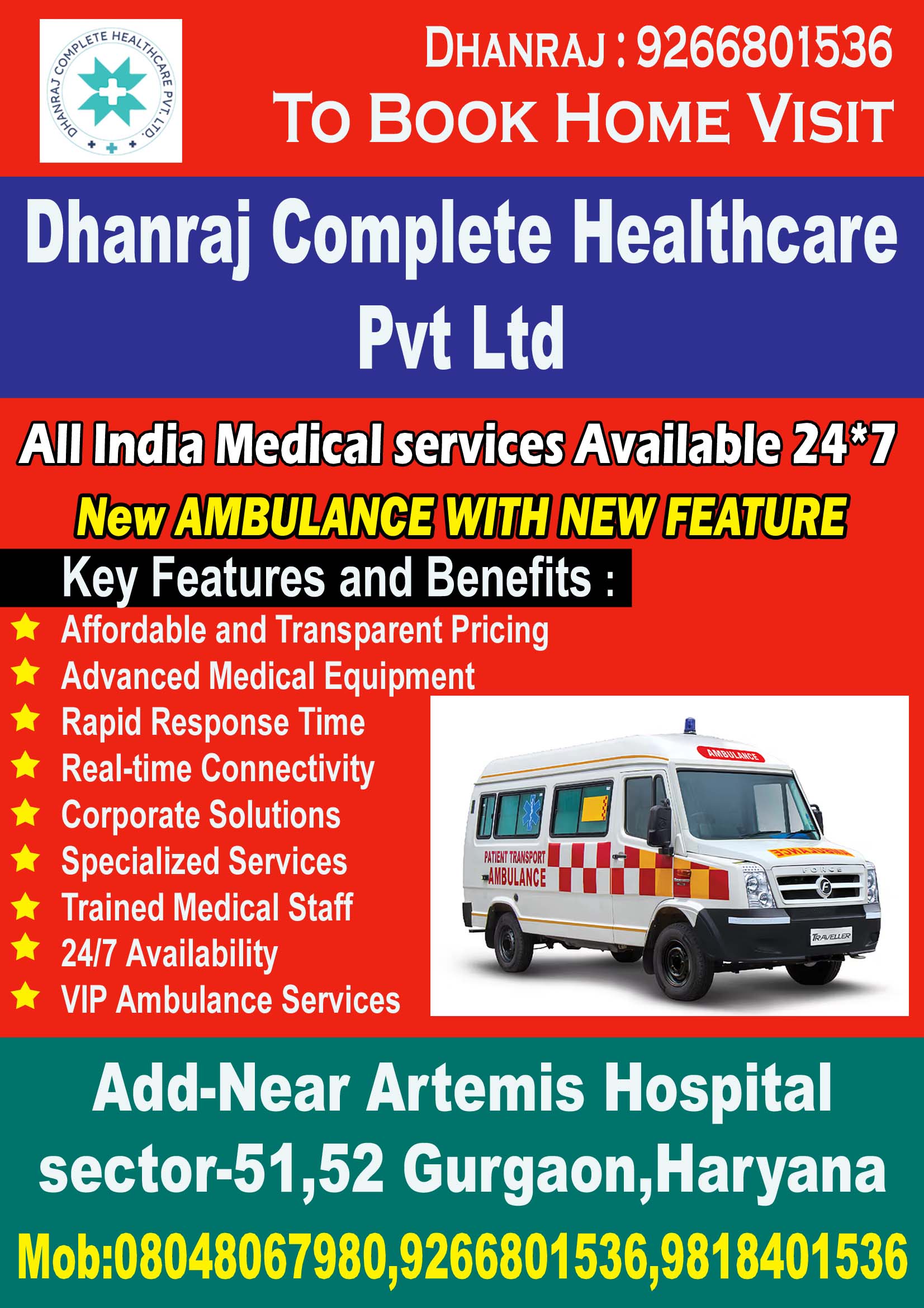
Dhanraj Complete Healthcare Pvt Ltd New AMBULANCE With New feature: A new ambulance service with features like a 10-minute response time, 24/7 availability, and advanced medical equipment, like those offered by Blinkit and GoAid Ambulance Service , can significantly improve emergency care. These services aim to provide swift, reliable, and affordable emergency assistance, with features including trained medical staff, life-saving tools, and even real-time doctor consultations via 5G technology. Zenzo's ambulance service in Delhi features cutting-edge medical technology, including life-saving devices, real-time communication systems, and critical care equipment , through which information is instantly transferred to hospitals so that they are prepared for your arrival. Key Features and Benefits: Rapid Response Time: The core benefit is the promise of a quick arrival, often within 10 minutes of booking, which can be crucial in life-threatening situations. Advanced Medical Equipment: Equipped with items like oxygen cylinders, AEDs, stretchers, monitors, and emergency medicines, ambulances ensure immediate medical support. Trained Medical Staff: Paramedics, nurses, and trained drivers provide professional care, ensuring patients receive the necessary assistance during transport. Real-time Connectivity: 5G technology allows for live video and data streaming, enabling paramedics to consult with doctors in real-time for guidance on patient care. 24/7 Availability: These services are designed to be accessible around the clock, ensuring that help is available whenever it's needed. Nationwide Coverage: While some services start with specific cities, the goal is often to expand to major urban centers across the country. Affordable and Transparent Pricing: Many new services prioritize affordability and transparent pricing, making emergency care accessible to a wider population. Specialized Services: Some providers offer specialized ambulances like BLS, ALS, and ICU ambulances, catering to different levels of medical need. Corporate Solutions: Some services offer corporate ambulance solutions, providing on-site ambulances and specialized care for large workplaces. VIP Ambulance Services: For high-profile individuals, some providers offer VIP ambulance services with enhanced privacy, security, and luxury features. Examples of Services: Blinkit's 10-minute ambulance service : Launched in Gurugram, this service focuses on providing quick and affordable emergency assistance, with a 10-minute response time and fully equipped ambulances. ZENZO's AI-driven network : This nationwide network features AI integration, unified pricing, and 5G-enabled ambulances for advanced medical care. GoAid Ambulance Service : GoAid offers a range of services, including BLS, ALS, and ICU ambulances, with a strong focus on rapid response and expert medical teams. 1. Timely Medical Assistance Ambulance services provide timely medical assistance in emergencies, ensuring that patients receive immediate care. They are equipped with essential medical equipment and staffed by trained professionals who can assess and stabilize the patient’s condition while en route to the hospital , potentially saving lives and improving outcomes. 2. Quick Response and Transportation Ambulance services are designed for a rapid response to medical emergencies. They enable swift transportation of patients to healthcare facilities, minimizing delays and providing access to advanced medical care, particularly in time-sensitive situations such as heart attacks or strokes. 3. On-Site Medical Care Ambulance services offer on-site medical care, providing crucial support in critical moments. Paramedics and emergency medical technicians can perform life-saving interventions and administer necessary treatments, stabilizing patients before they reach the hospital. 4. Accessibility to Remote Areas Ambulance services play a vital role in providing healthcare access to remote and rural areas. They bridge the gap between isolated communities and healthcare facilities, ensuring that even those in hard-to-reach locations can receive urgent medical attention. Also Read: Tips for Administering First Aid Before the Ambulance Arrives 5. Emergency Preparedness Ambulance services enhance a community’s emergency preparedness by being readily available to respond to various incidents, including accidents, natural disasters, and mass casualty events. They are an integral part of the public health infrastructure, ready to provide medical support in times of crisis. 6. Transportation of Critically Ill Patients Ambulance services are essential for the transportation of critically ill patients who require continuous monitoring and medical support. They facilitate transfers between healthcare facilities, ensuring that patients can access specialized care and treatments that may not be available locally. 7. Support for Medical Procedures Ambulance services often assist with medical procedures that require transportation, such as organ transplants or patient transfers for specialized surgeries . They ensure that patients and medical resources are transported safely and efficiently. 8. Specialized Services for Specific Needs Some ambulance services offer specialized services for patients with particular medical needs, such as neonatal or bariatric transport. These specialized ambulances are equipped with the necessary equipment and staff to cater to the unique requirements of these patient groups. Also Read: Ambulance Response in Rural vs. Urban Areas: Bridging the Gap 9. Training and Education for Communities Ambulance services often engage in community outreach and education, training individuals in basic first aid and CPR . This empowers communities to respond effectively to medical emergencies while awaiting professional medical assistance. 10. Emotional Support for Families Ambulance services provide emotional support for families during medical emergencies. The presence of trained medical professionals offers reassurance to families that their loved ones are receiving immediate and appropriate care during critical moments. 11. Efficient Use of Healthcare Resources Ambulance services contribute to the efficient use of healthcare resources by assessing and triaging patients at the scene. They ensure that patients are directed to the most appropriate level of care, helping to prevent overcrowding in emergency rooms. 12. Coordination with Other Emergency Services Ambulance services work closely with other emergency services, such as fire and police departments, to ensure a coordinated response to incidents. This collaboration enhances the effectiveness of emergency management and improves patient outcomes. Also Read: Can Ambulances Break Traffic Rules? 13. Data Collection and Research Ambulance services collect valuable data on medical emergencies and patient outcomes, contributing to research efforts and quality improvement initiatives. This data helps healthcare professionals and policymakers make informed decisions to enhance the delivery of emergency medical care. 14. Support for Rural and Underserved Communities Ambulance services are especially important for rural and underserved communities, where healthcare facilities may be scarce or distant. They ensure that these populations have access to emergency medical care, reducing disparities in healthcare access. 15. Contribution to Public Health Surveillance Ambulance services play a role in public health surveillance by monitoring and reporting trends in medical emergencies, such as infectious disease outbreaks or drug overdoses. This information aids in the identification of public health threats and informs public health interventions. 16. Lifeline During Mass Casualty Events Ambulance services are a critical lifeline during mass casualty events, such as natural disasters, terrorist attacks, or large-scale accidents. They provide rapid triage, medical care, and transportation of victims, helping to manage the situation and save lives. Also Read: Top 10 Ambulance Service Providers in Delhi 17. Enhancing Community Safety Ambulance services contribute to community safety by providing rapid medical intervention during accidents or incidents. This presence not only aids the individuals involved but also reassures the community that help is readily available in times of need. 18. Medical Resource Management Ambulance services manage and transport essential medical resources, such as blood, organs, or medical equipment, ensuring they reach their destination promptly. This efficient resource management is crucial for medical procedures and patient care. 19. Mental Health Crisis Intervention Ambulance services often respond to mental health crises, providing immediate support and transport to appropriate care facilities. The trained personnel can assess and de-escalate the situation while ensuring the individual’s safety. 20. Seamless Integration with Healthcare System Ambulance services are an integral part of the healthcare system, providing a seamless link between pre-hospital and in-hospital care. This integration ensures continuity of care and better coordination of services, ultimately benefiting the patient’s overall health outcome. Conclusion: The Importance of Ambulance Services In critical moments, the importance of ambulance services cannot be overstated. Rapid response is often the difference between life and death. Choosing a reliable service like GoAid Ambulance can be a life-saving decision. Their prompt services in Noida ,Gurgaon,Haryana,and New Delhi more ensure that help reaches your doorstep within 10 minutes. Whether it’s a medical emergency or a timely transport requirement, GoAid Ambulance Service stands as a beacon of hope. The value of quick and efficient ambulance services extends beyond convenience; it’s a lifeline, ensuring that precious moments are not lost when every second counts. I hope this information is very very useful to you and your family. For getting more information please, contacts this number: 08048067980. Address: Near Artemis Hospital sector 51,52 662P Ground floor Dhanraj Complete Healthcare Pvt Ltd. Mob : 08048067980,9266801536,9818401536.

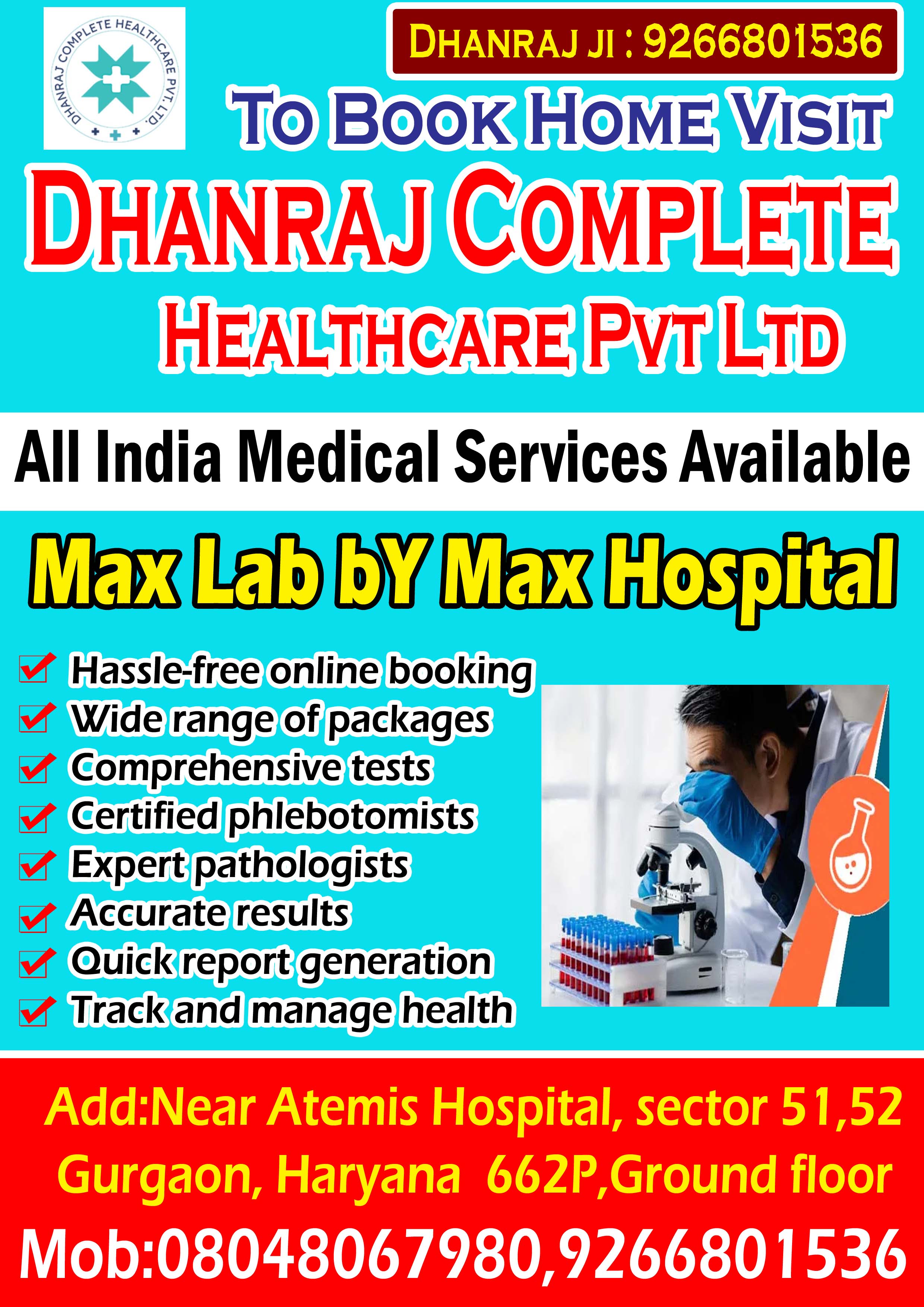
Dhanraj Complete Healthcare Pvt Ltd. Max Lab By Max Hospital, at Home Max Lab is a division of Max Healthcare with online lab test result facility, with over 800+ pathology & diagnostic centre. Book health test packages online now. You can choose a full body checkup package based on your age, medical conditions, etc. at Max Lab and book an appointment online in a hassle-free manner. Blood test in Gurugram: Book your lab test in Gurugram with home sample collection facility from Max Lab by Max Hospital at the best cost/rate. Certified Labs, Online Reports, Hassle-free process. The Wellwise Total Profile by Max Lab helps in monitoring the health of an individual in order to prevent diseases, aggravation of an underlying condition or disease, and to assess the health of all the vital The Wellwise Total Profile by Max Lab helps in monitoring the health of an individual in order to prevent diseases, aggravation of an underlying condition or disease, and to assess the health of all the vital Max Lab offers a variety of full-body health checkup packages, each with different features and benefits. These packages aim to provide a comprehensive assessment of an individual's health status through a range of tests . Features: Hassle-free online booking: You can easily book your health checkup online through the Max Lab website . Wide range of packages: Max Lab offers multiple packages with varying numbers of tests to suit different needs and budgets. Home sample collection: You can opt for sample collection from your home through MaxAtHome . Accurate results: Max Lab utilizes trained staff and expert pathologists to ensure accurate and reliable results. Quick report generation: Reports are generated quickly, allowing for timely diagnosis and treatment. Preventive health checkups: Max Lab emphasizes preventive healthcare through its health checkup packages. Benefits: Early detection of diseases: Full body checkups can help identify potential health issues in their early stages, enabling timely treatment. Monitoring overall health: Regular checkups allow individuals to track their health status and identify any changes or abnormalities. In-depth analysis of bodily functions: Packages include tests that assess various organ functions and bodily systems, providing a comprehensive overview of health. Informed decision-making: The results of the health checkup empower individuals to make informed decisions about their health and lifestyle. Peace of mind: Knowing your health status through regular checkups can provide peace of mind and reduce anxiety related to potential health problems. Cost-effective: Max Lab offers various packages at different price points, making health checkups accessible to a wide range of individuals. Convenience: MaxAtHome service offers convenient home sample collection, saving time and effort. Expert guidance: Max Lab provides access to expert pathologists and trained staff, ensuring accurate interpretations of results. Track and manage health: Reports generated by Max Lab can be accessed online and tracked over time, helping individuals manage their health more effectively. All India Medical Service Available: 1. Home Blood Collection 2. Home All Injection 3. Doctor on Visit 4. Home Patient change Rayce Tube 5. Home Cannula changes. 6. Home Patient Catheter 7. Home All Dressing. I hope this information is very very useful to you and your family member. Fore getting more information please contacts this number:08048067980. Address: Near Artemis Hospital , sector 51,52 .662P Ground floor koyal vihar sector 52. Help line number:08048067980,9818401536,9266801536.
Dhanraj Complete Healthcare Pvt Ltd . X-RAY at Home services and Patients care: Smart X-ray is Fujifilm's newly developed X-ray system, providing multi-function, high-quality, cost-effective X-ray solutions. Streamlining your X - ray workflow leading to fewer repeat exams, fewer exam rejects, fewer patient positioning errors, and lower user variability. Smart X-ray healthcare encompasses innovative technologies that leverage advanced features like AI, automation, and intelligent workflows to enhance X-ray imaging processes. This includes systems like the ERAY SMART Series and the Fujifilm Smart X. These systems aim to improve image quality, reduce variability, and streamline workflows, ultimately leading to better patient care and faster diagnoses. Here's a more detailed look at the key aspects of smart X-ray healthcare: 1. Enhanced Workflow and Image Quality: Technique Assist: Some smart X-ray systems utilize 3D cameras to measure patient thickness and suggest optimal exposure techniques based on a database of patient sizes, leading to more consistent image quality. Automated Collimation: Features like Smart Collimation Thorax can automatically adjust the collimator to the correct size and height, reducing exam time and improving image quality. Intelligent Workstations: Some systems offer optional intelligent workstations with advanced image processing tools to enhance visualization and quantify motion, aiding in diagnosis of respiratory and other pathologies. 2. Reduced Variability and Errors: AI-Driven Assistance: Smart X-ray systems may incorporate AI algorithms to assist technologists in reducing image quality errors and improving efficiency. Real-time Patient Monitoring: Some systems utilize cameras to monitor patient movement in real-time, allowing technologists to adjust positioning before exposure and potentially reducing radiation exposure. 3. Specific Examples of Smart X-ray Technologies: ERAY SMART Series: This series offers portable, lightweight, and cost-effective digital X-ray machines that are easy to use and versatile for various clinical settings. FDR Smart X: Fujifilm's Smart X provides multi-function, high-quality X-ray solutions with various configurations for different imaging needs. Dynamic Digital Radiography (DDR): DDR technology helps clinicians observe and diagnose lung function, enabling faster diagnosis of respiratory conditions. Machine Learning Integration: Research is being done on integrating machine learning algorithms into X-ray devices to facilitate early detection of conditions like COVID-19. 4. Benefits of Smart X-ray Healthcare: Improved image quality and consistency: Leading to better diagnoses and treatment plans. Reduced variability and errors: Resulting in fewer repeat exams and potentially lower radiation exposure. Streamlined workflows: Improving efficiency and freeing up staff time. Personalized imaging: Tailoring X-ray exams to individual patient needs. Potential for early detection of diseases: Utilizing AI and machine learning for faster diagnosis. Competitive Analysis of Best Companies in India Digital X-Ray Market India Digital X-Ray Market: Competitive Landscape Market Characteristics: The India Digital X-Ray Market is characterized by a moderately consolidated landscape that includes both global players and local companies. While conglomerates such as GE Healthcare and Siemens Healthineers AG command a significant presence, specialized companies like Allengers Medical Systems Ltd also play a vital role in catering to the diverse needs of the healthcare sector. This blend of players fosters a competitive yet integrated environment where innovation and technological advancement are essential. The moderately consolidated nature of the market suggests that while a few players hold substantial influence, there remains ample room for growth and new entrants to make their mark. Major Players in the Market: Key players in the India Digital X-Ray Market include Agfa Healthcare, Carestream Health, and Koninklijke Philips, known for their advanced imaging solutions. These companies are recognized for their investment in research and development, aiming to deliver cutting-edge products that enhance diagnostic capabilities. Their commitment to quality and innovation sets them apart in a market where reliability and accuracy are paramount. New entrants face the challenge of competing with these established players while trying to carve out their niche in a dynamic industry that continually evolves to meet healthcare demands. Trends and Future Strategies: The evolution of digital technology and increasing healthcare expenditures are driving growth in the India Digital X-Ray Market. Emphasis on integrating Artificial Intelligence and improved patient care through digital imaging is crucial for market players seeking future success. Companies must adopt strategies that include enhancing service delivery and focusing on user-friendly interfaces to remain competitive. Furthermore, aligning with regulatory requirements and enhancing accessibility to various healthcare settings can provide significant competitive advantages in this market landscape. I hope this information is very very useful to you. Thanks for visiting this company: Dhanraj Complete Healthcare Pvt Ltd. Fore getting more information please contacts this number : 9266801536. Address : Near Artemis Hospital sector 51,52 opposite gate number 2 , 662P ground floor koyal vihar. Help line number : 08048067980,,9818401536.
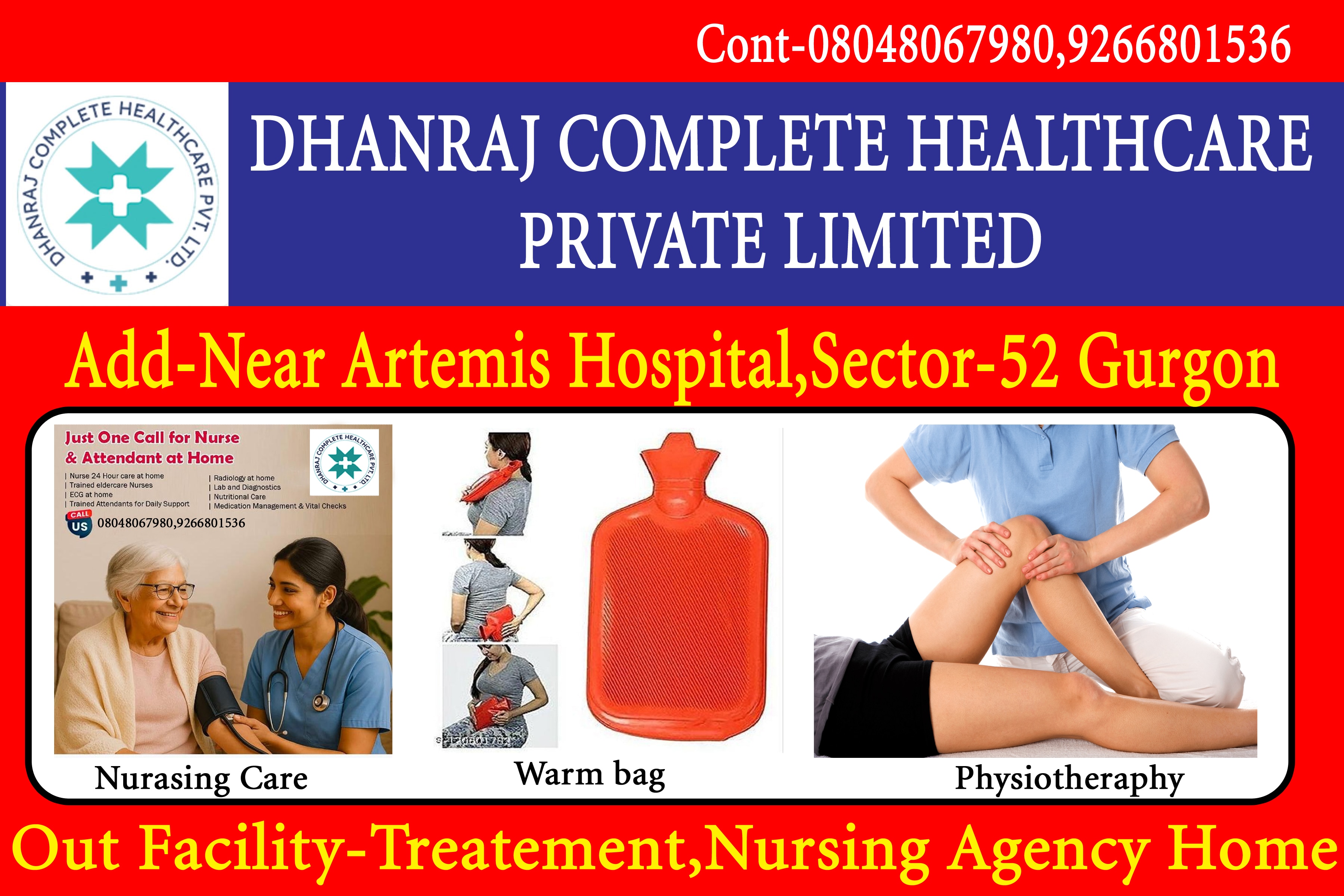
Dhanraj Complete Healthcare Pvt Ltd. Our facilities provided : Nursing care at home: Home nursing services provide healthcare in a patient's own home, offering a range of medical treatments and support. These services can include wound care, medication management, IV therapy, and more. Numerous companies and agencies offer these services in Gurgaon, Delhi, and other areas, providing a way for patients to receive professional care without needing to stay in a hospital or clinic. Here's a more detailed look: Types of Services: Home nursing services cover a wide array of needs, including post-operative care, chronic illness management, and rehabilitation. Availability: Many providers offer both short-term and long-term care, with services ranging from a few hours per day to 24/7 support. Finding a Service: You can find home nursing services by searching online (e.g., Justdial ) or contacting healthcare agencies directly. Cost and Insurance: The cost of home nursing services varies depending on the type and duration of care, but some insurance plans may offer coverage for certain services. Location: Near Artemis Hospital sector 51,52 Gurgaon Haryana. Help line number: 08048067980,9266801536,9818401536. Warm Bag: A warm bag, also known as a hot water bag or heating pad, offers several features beneficial for patients seeking pain relief and comfort. These include quick heating, portability, safety, and multi-use functionality, making them versatile tools for various pain conditions. Key Features: Pain Relief: Warm bags effectively alleviate muscle aches, joint pain, back pain, and menstrual cramps. Quick Heating: Many electric warm bags heat up quickly, providing immediate comfort. Portability: Compact and lightweight designs make them easy to carry for use at home, in the office, or while traveling. Safety Features: Automatic shut-off and insulated exteriors prevent overheating and burns, enhancing safety. Multi-Use Functionality: Some bags can be used as heating pads, gel hot water bags, and electric hot packs, offering versatility. Reusable and Easy to Clean: Many rubber hot bags are reusable and easy to clean, making them a convenient and cost-effective option. Customization: Available in different sizes and colors, allowing patients to choose a bag that suits their preferences and needs. Benefits of Using a Warm Bag: Improved Circulation: Heat can help improve blood flow to the affected area, promoting healing and reducing stiffness. Muscle Relaxation: The warmth can help relax tense muscles, easing pain and discomfort. Reduction of Inflammation: Heat therapy can help reduce inflammation in joints and soft tissues. Comfort and Relaxation: The warmth can be comforting and soothing, helping patients feel more relaxed and less stressed. Types of Warm Bags: Hot Water Bags: Traditional rubber bags filled with hot water. Electric Heating Pads: Electric bags that heat up quickly and evenly. Gel Hot Water Bags: Bags filled with a gel-like substance that heats up quickly and retains heat for a longer period. Location: Near Artemis Hospital sector 51,52 Gurgaon Haryana. Help line number: 08048067980,9266801536,9818401536. Physiotherapy: Physiotherapy, also known as physical therapy , is a healthcare profession that focuses on restoring and improving movement and function. It utilizes various physical techniques to address musculoskeletal, cardiovascular, and neurological conditions, as well as pain management. Key Features of Physiotherapy: Assessment and Evaluation: Physiotherapists conduct comprehensive assessments to determine the cause and nature of a patient's condition. Treatment Planning: Based on the assessment, a personalized treatment plan is developed, outlining the specific techniques and exercises to be used. Therapeutic Exercises : A wide range of exercises, including strength training, flexibility exercises, and balance exercises, are used to improve function and mobility. Manual Therapy : This involves hands-on techniques such as soft tissue massage , joint mobilization , and muscle manipulation to address pain and stiffness. Electrotherapy : Uses electrical stimulation to manage pain, reduce muscle spasms, and promote healing. Hydrotherapy : Uses water-based exercises to promote movement, reduce pain, and improve cardiovascular health. Patient Education: Physiotherapists educate patients about their condition, treatment plan, and how to manage their condition effectively. Rehabilitation: Physiotherapy plays a crucial role in rehabilitation after injury or surgery, helping patients regain strength, mobility, and function. Pain Management : Physiotherapy offers various techniques to reduce pain, including exercise, manual therapy, and modalities like heat and cold. Cardiorespiratory Physiotherapy : Addresses breathing and lung-related issues, improving exercise tolerance and overall quality of life. Pelvic Floor Physiotherapy : Focuses on the muscles and tissues of the pelvic floor, addressing conditions like urinary incontinence and pelvic pain. Location: Near Artemis Hospital sector 51,52 Gurgaon Haryana .Help line number: 08048067980,9266801536,9818401536.
Dhanraj Complete Healthcare Pvt Ltd. All Medical Equipment Services Available . All equipment services available here, and provided by this company on Rent and Sell. Hospital Equipment List and Cost Estimate When planning to set-up a small hospital, one of the first things one needs is the hospital equipment list. That is, assuming you have the doctors in place and decided on the type of treatments the hospital will be offering. Land & building, medical equipment, electrical, mechanical, civil and HVAC infrastructure and hospital furniture constitute the major part of the Capital Expenditure. Typical General Hospital Service Mix A typical general hospital or secondary care hospital caters to the basic medical needs of the community. Basic specialties a general hospital deals with are: Mother & Child Care General medicine General Surgery Orthopedics Based on the above specialties, the departments in general hospitals are Out-patient Department for consultation, Diagnostic Laboratory & Imaging, Labour room, Operating Theatres, In-patient wards, ICU and other supporting departments like Pharmacy, CSSD, Medical records, etc. Here is a comprehensive department-wise list of major medical equipment needed in a secondary care hospital. This list does not contain minor items, instruments and consumables. List of Basic Hospital Equipment A INTENSIVE CARE UNIT (ICU) 1 Ventilator 2 Multipara Patient monitor 3 Syringe Pump 4 Infusion Pump 5 Defibrillator 6 CPAP 7 BiPAP 8 ECG Machine 9 ICU cots 10 ABG machineB NEONATAL ICU 11 Baby Puffn 12 Bubble CPAP 13 CPAP 14 Ebrace nest 15 Infant Incubator / Transport Incubator 16 Infant Ventilator / Transport Ventilator 17 Phototherapy Unit 18 Pulse Oximeter 19 Radiant Warmer 20 ResuscitatorC OPERATING THEATRE 21 Anesthesia workstation 22 Boyles Apparatus 23 C-Arm 24 Cautery Machine 25 Electronic Torniquet 26 Patient Monitor with ETCO2 Module 27 Fumigator 28 Laproscopy Unit complete 29 Laryngoscope 30 LED OT Light 31 Nitric oxide system 32 Ortho Cutter 33 Ortho Drill 34 OT Light 35 OT Table 36 Sealing machine 37 Suction machineDLABOUR ROOM 38 Breast Pump 39 Fetal doppler/ Fetal monitor 40 NST Machine 41 MicroSuction machine 42 LDR Suite/ Labour CotESTERILIZATION 43 AutoclaveFOPD CONSULTATION 44 Examination Table 45 Doctors Table 46 Doctors Chair 47 Step Stool 48 Revolving Patient Stool 49 X-Ray viewer box 50 BP Apparatus 51 Thermometer 52 Weighing scale 53 Spot Light 54 Pulseoximeter 55 Otoscope & Ophthalmoscope 56 Other items e.g. Knee hammer, Tuning fork, measuring tape, tongue depressor, Sterilizer, glucometer, hand-sanitizer etc.GINPATIENT WARD 57 Patient Cots 58 Bed-side Table 59 Cardiac Table 60 IV stand 61 Attendant couch 62 Other furniture as required 63 Crash Cart in Nursing station 64 NebulizerHEMERGENCY & CASUALITY 65 Multipara monitor66Syringe Pump 67 Infusion Pump 68 Suction machine 69 ECG Machine 70 Ambulance 71 Defibrillator 72 Patient beds 73 Crash cartI DIAGNOSTIC LA B 74 Cell Counter 75 Biochemistry Analyser 76 Microscope 77 Incubator 78 Centrifuge 79 Refrigerator, Curettes & Pippettes 80Urine Analyzer 81 Electrolyte AnalyzerJ DIAGNOSTIC IMAGING 82 X-Ray machine 83 CR System 84 Ultrasound machine Contact us for cost estimates and equipment purchase and sell: 08048067980,9266801536,9818401536. I hope this information is very very useful to you . Thanks for visiting this company. Dhanraj Complete healthcare private limited. Address: Near Artemis Hospital sector 51,52 gurugram koyal vihar 662P ground floor. 08048067980,9266801536,9818401536.
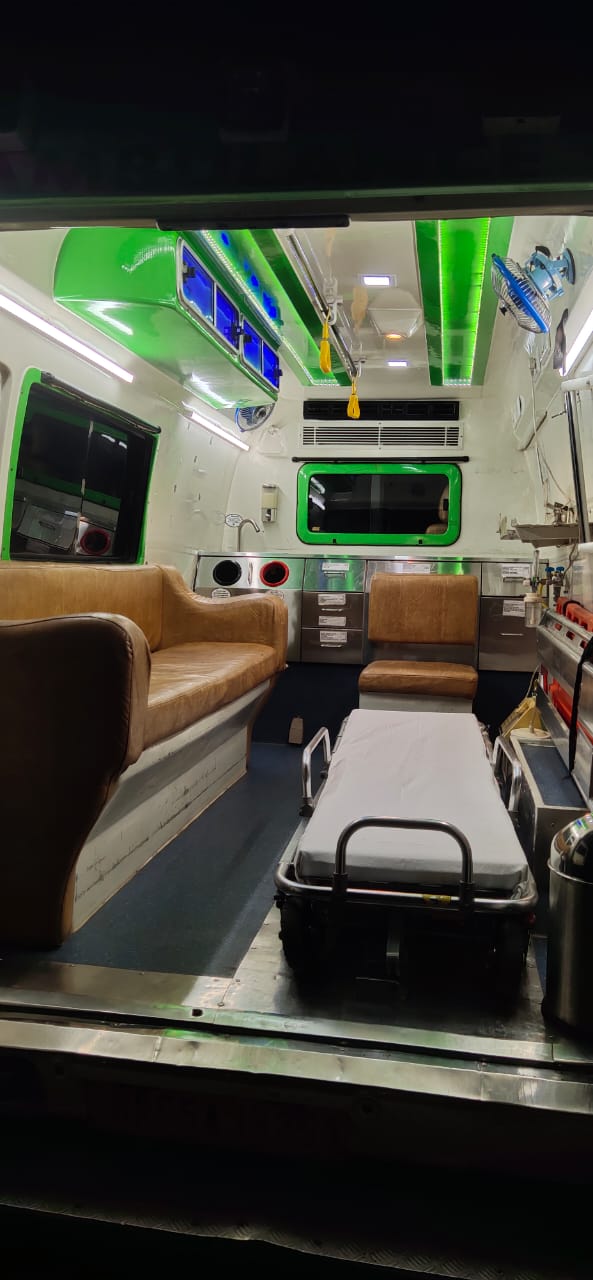
Dhanraj Compete Healthcare Pvt Ltd. Private AMBULANCE With fully ICU Setup. Fast ICU Ambulance Services with Ventilators . Critical care on wheels. Available 24/7. Trust us for expert medical transport. Call 08048067980,9266801536,9818401536. 24/7 ICU ambulance in Delhi . Best price ventilator ambulance services. Swift and reliable 24-hour emergency medical transport. Call Us: 08048067980,9266801536. Private ambulances with ICU facilities, also known as ICU ambulances, are specialized vehicles equipped to provide advanced medical care and critical care to patients during transport. These ambulances are equipped with life support equipment like ventilators, monitors, and other advanced technologies to manage critically ill patients. They are available for private hire and often offer 24/7 service. Here's a more detailed look: Key Features of ICU Ambulances: Advanced Life Support Equipment: ICU ambulances are equipped with ventilators, ECG monitors, defibrillators, and other advanced medical equipment. Specialized Medical Staff: They often have a medical team on board, including nurses or paramedics, who are trained to provide critical care. 24/7 Availability: Many providers offer 24/7 ICU ambulance services, allowing patients to be transported at any time of day or night. Various Service Options: Some providers offer air ambulances, train ambulances, and road ambulances with ICU facilities. Finding Private ICU Ambulance Services: Online Directories: Justdial and IndiaMART can help you find ICU ambulance services in Delhi and other major cities. Specific Providers: Life Savers Ambulance Services and GoAid Ambulance Service are examples of providers that offer ICU ambulance services. Hospital Referrals: You can also inquire about ICU ambulance services through hospitals. Cost Considerations: Variable Pricing: The cost of ICU ambulance services can vary based on factors like distance, type of ambulance, and the level of care required. Per Kilometer Rate: Some providers charge per kilometer for ICU ambulance services. Waiting Charges: There may be waiting charges for extended periods if the ambulance is needed for more than a specific time. Note: The Indian Government's 108 Emergency Ambulance Service provides free emergency medical transportation, but private ICU ambulances offer more advanced and specialized care. What is an ICU ambulance? An ICU (Intensive Care Unit) Ventilator ambulance is a specially equipped ambulance that provides advanced medical support and critical care to patients in transit . It includes a ventilator, monitors, and other life support equipment necessary to manage critically ill patients. What is the difference between 102 and 108 ambulance service? AI Overview The 102 and 108 ambulance services in India, while both providing free emergency transportation, differ in their primary focus and target beneficiaries. 108 is a comprehensive emergency response service for all medical, police, and fire emergencies, while 102 is specifically designed for maternal and child health, primarily transporting pregnant women, newborns, and children. Here's a more detailed breakdown: 108 Ambulance Service: Purpose: A comprehensive emergency response system addressing all types of emergencies, including medical, police, and fire. Target Beneficiaries: Available to anyone experiencing a medical emergency, regardless of age or health condition. Equipment: Equipped with advanced life support equipment, including defibrillators, ECG monitoring, and other advanced medical devices. Staff: Typically staffed by paramedics with advanced training in emergency medical care. 102 Ambulance Service: Purpose: Primarily focuses on maternal and child health, providing transport for pregnant women, newborns, and children. Target Beneficiaries: Pregnant women, newborns, and children needing transportation to healthcare facilities for antenatal, postnatal, or medical care. Equipment: Typically equipped with basic life support equipment. Staff: May include nurses or trained healthcare professionals experienced in maternal and child health. Key Differences Summarized: Feature 108 Ambulance Service 102 Ambulance Service Primary Focus Comprehensive emergency response (all emergencies) Maternal and child health transport Target Group Anyone experiencing a medical emergency Pregnant women, newborns, and children Equipment Advanced life support Basic life support Staffing Paramedics with advanced training Nurses or trained healthcare professionals (maternal/child) In essence, if you have a serious medical emergency, call 108. If you need transportation for a pregnant woman, newborn, or child, call 102. Fully equipped ICU ambulance with ventilator, critical care team, and 24/7 availability for emergency or inter-hospital transfers. I hope this information is very very useful to you . Fore getting more information please contacts this number : 08048067980,9266801536,9818401536. Thanks for visiting this company : Dhanraj Complete Healthcare Pvt Ltd. Address: near Artemis Hospital, sector 51,52, koyal vihar 662P ground floor. 08048067980,9266801536,9818401536.
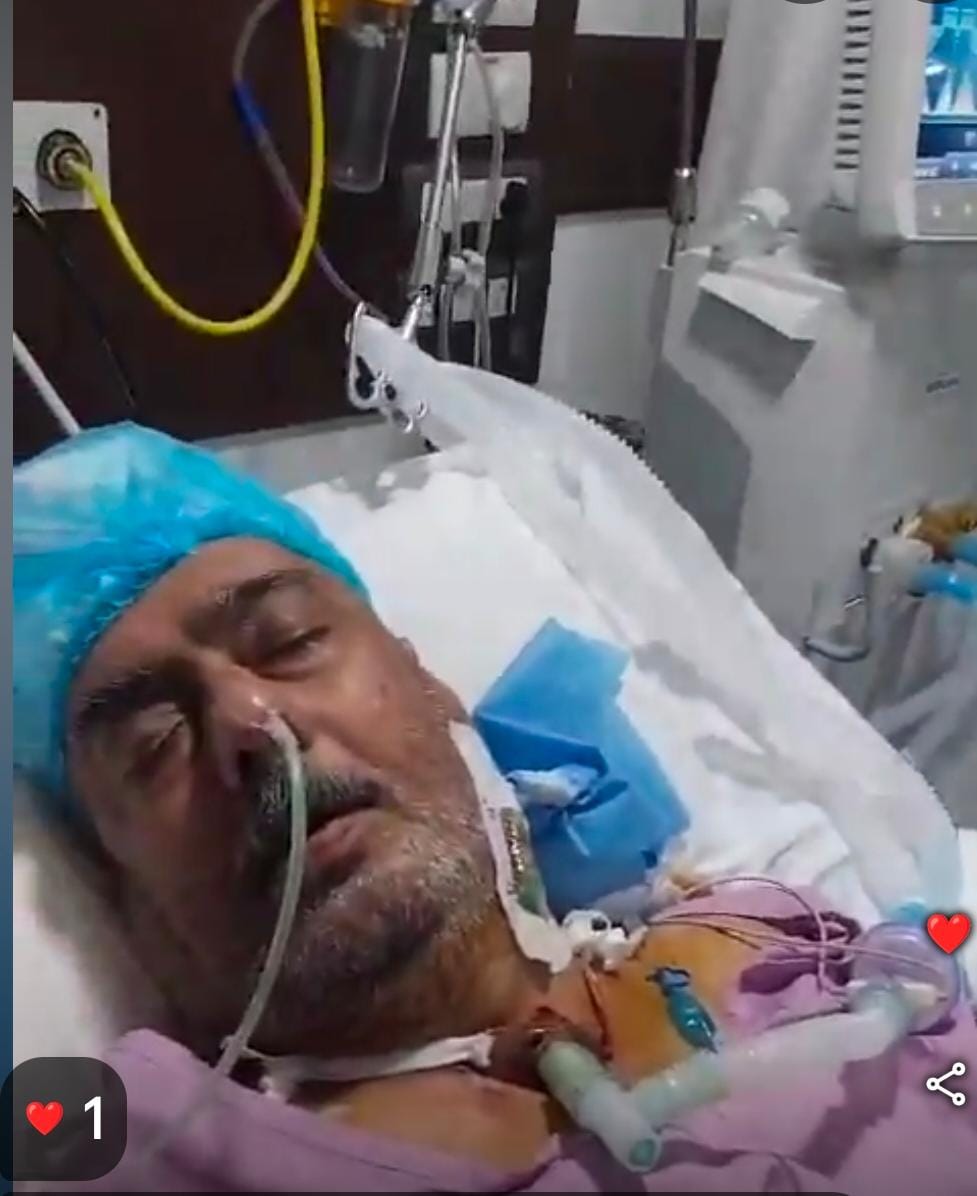
A tracheostomy is a surgical procedure that creates a stoma (opening) in the windpipe (trachea) to allow air to enter the lungs. It's often used when someone has difficulty breathing through their nose and mouth due to various reasons, such as airway obstruction, long-term ventilator use, or neuromuscular conditions. Why a tracheostomy might be needed: Airway obstruction: A tracheostomy can help secure and clear the airway in cases of upper respiratory tract obstruction, often caused by cancer, swelling, infection, inflammation, or trauma. Prolonged mechanical ventilation: When someone needs long-term support from a ventilator, a tracheostomy tube can make breathing easier and facilitate weaning from the ventilator. Pulmonary hygiene: For patients with difficulty clearing secretions or managing their airway, a tracheostomy can aid in pulmonary toilet (suctioning and clearing of the lungs) and prevent aspiration pneumonia. Neuromuscular conditions: Individuals with neuromuscular conditions like amyotrophic lateral sclerosis (ALS) may have weakened breathing muscles, making a tracheostomy necessary for mechanical ventilation. Other conditions: Conditions like vocal cord paralysis, throat cancer, or mouth cancer can also necessitate a tracheostomy. Benefits of a tracheostomy: Improved breathing: It provides a direct airway, ensuring oxygen can reach the lungs. Reduced laryngeal injury: It minimizes the risk of damage to the larynx (voice box) associated with prolonged endotracheal intubation (a tube placed in the windpipe). Facilitates pulmonary toilet: It allows for easier suctioning and clearing of secretions from the lungs. Improved comfort and daily living: It can improve comfort and allow for better mobility, speech, and eating for some individuals. Reduced risk of ventilator-associated pneumonia (VAP): Early tracheostomy can decrease the incidence of VAP. Tracheostomy tube care: Cleaning: The tracheostomy tube and stoma (opening) need to be cleaned regularly to prevent infection. Suctioning: Mucus and secretions need to be suctioned regularly to keep the airway clear. Humidification: Humidifying the air entering the lungs through the tracheostomy tube can help prevent dryness and thickening of secretions. Tube changes: The tracheostomy tube usually needs to be replaced periodically, and patients and caregivers can be trained to perform this task. A tracheostomy (tray-key-OS-tuh-me) is a hole that surgeons make through the front of the neck and into the windpipe, also known as the trachea. Surgeons place a tracheostomy tube into the hole to keep it open for breathing. The term for the surgical procedure to create this opening is tracheotomy. A tracheostomy allows air to pass into the windpipe to help with breathing. Tracheotomy is done when the usual way of breathing is blocked or reduced. A tracheostomy is often needed when health problems require long-term use of a machine called a ventilator to help with breathing. A tracheostomy also may be needed when surgery would require breathing to be rerouted for a short time because of swelling or airway blockage in the neck or face. Rarely, an emergency tracheotomy is done when the airway is suddenly blocked, such as after a major injury to the face or neck. When a tracheostomy is no longer needed, it's allowed to heal shut, or a surgeon can close it. For some people, tracheostomies stay in place for the rest of their lives. Why it's done A tracheostomy may be needed when: Medical conditions make the use of a breathing machine, also known as a ventilator, necessary for an extended period, usually more than one or two weeks. Medical conditions, such as vocal cord paralysis, throat cancer or mouth cancer, block or narrow the airway. Paralysis, conditions that affect the brain and nerves, or other conditions make it hard to cough up mucus from your throat and make direct suctioning of the windpipe, also known as your trachea, necessary to clear your airway. Major head or neck surgery is planned. A tracheostomy helps with breathing during recovery. Severe injury to the head or neck blocks the usual way of breathing. Other emergency situations occur that block your ability to breathe and emergency personnel can't put a breathing tube through your mouth and into your windpipe. Emergency care Most tracheotomies are done in a hospital setting. But in an emergency, emergency personnel may need to create a hole in a person's throat when outside of a hospital, such as at an accident scene. Emergency tracheotomies are hard to do and have a greater risk of complications than those that are planned. A related and somewhat less risky — and more straightforward — procedure used in emergency care is a cricothyrotomy (kry-koe-thie-ROT-uh-me). This procedure creates a hole slightly higher up in the neck right below the voice box, also known as the larynx. The hole is placed right below the Adam's apple, which usually looks like a bump on the throat and is made up of thyroid cartilage that covers the front of the voice box. Once a person transfers to a hospital and is stable, a tracheotomy replaces a cricothyrotomy if that person needs help breathing long term. Key aspects of tracheostomy patient home care by nurses: Maintaining a patent airway: Nurses ensure the tracheostomy tube is free from blockages and that secretions are cleared via suctioning. Preventing infection: Nurses clean the stoma and inner cannula, change dressings, and monitor for signs of infection. Providing education: Nurses teach caregivers how to perform tracheostomy care, identify complications, and respond to emergencies. Monitoring and assessing: Nurses regularly monitor the patient's respiratory status, oxygen saturation, and overall well-being. Supporting communication: Nurses may assist with communication tools and strategies, such as speaking valves or alternative methods. Ensuring proper humidification: Nurses may recommend humidifiers or nebulizers to prevent mucus buildup. Providing emergency preparedness: Nurses teach caregivers how to handle dislodged tubes or other emergencies. Home We provide Nurses for Tracheostomy Tube Change at Home in Delhi. We understand the difficulties that a patient goes through and provides them with the best possible relief. Our tracheostomy tube changing services are much cheaper and are the best con. I hope this information is very very useful to you . Fore getting more information please contacts this number: 08048067980,9266801536,9818401536. Address: sector, Near Artemis Hospital sector 51,52 opposite gate number 2 662P, Ground floor . Dhanraj Complete Healthcare Pvt Ltd. https://maps.app.goo.gl/YZ4TRDoEPujMESTR8?g_st=ac
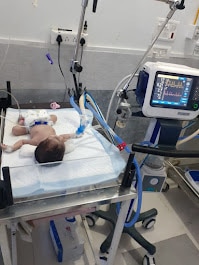
What Is the NICU? When babies are born early, have health problems, or a difficult birth they go to the hospital's NICU. NICU stands for "neonatal intensive care unit." There, babies get around-the-clock care from a team of experts. Most of these babies go to the NICU (NIK-yoo) within 24 hours of birth. How long they stay depends on their health condition. Some babies stay only a few hours or days; others stay weeks or months. You may hear the NICU called: a special care nursery an intensive care nursery a newborn intensive care nursery What's the Medical Equipment for? When you first enter the NICU, it's normal to feel a little alarmed by all the equipment you see. But it's there to help your baby get well. Here's a brief look at some equipment you might find: When you first enter the NICU, it's normal to feel a little alarmed by all the equipment you see. But it's there to help your baby get well. Here's a brief look at some equipment you might find: Infant warmers: These are small beds with heaters over them to help babies stay warm while being monitored. Because they are open, they allow easy access to babies. Incubators: These are small beds enclosed by clear, hard plastic. Temperature in the incubator is controlled to keep your baby's body temperature where it should be. Doctors, nurses, and other caregivers care for babies through holes in the sides of the incubator. Phototherapy: Some newborns have a problem called jaundice, which makes the skin and whites of the eyes yellow. Phototherapy treats jaundice. During treatment, babies lie on a special light-therapy blanket and have lights attached to their beds or incubators. Most babies only need phototherapy for a few days. Monitors: Monitors let nurses and doctors keep track of your baby's vital signs (things like temperature, heart rate, and breathing) from any place in the NICU. Monitors include: Chest leads: These small, painless stickers on your baby's chest have wires that connect to monitors. They track heart rate and number of breaths. A pulse oximetry (or pulse ox): This machine measures your baby's blood oxygen levels. Also painless, the pulse ox is taped to your baby's fingers or toes like a small bandage and emits a soft red light. A temperature probe records your baby's temperature and shows it on the monitor. This is a coated wire placed on your baby's skin with a patch. Blood pressure is monitored through an arterial line or a blood pressure cuff. Feeding tubes: Often, premature babies or babies who are sick can't breastfeed or take a bottle yet. Others can breastfeed or take a bottle, but still need extra calories to grow. These babies get nutrition (formula or breast milk) through a feeding tube. Tubes enter through the mouth or nose and go into a baby's stomach. They are taped in place so they don't move around. Nurses change the tubes often to prevent soreness. IVs: An intravenous catheter (or IV) is a thin, bendable tube that goes into a vein to give medicines and fluids. Almost all babies in the NICU have an IV. These usually are in the hands or arms, but some babies have them in other places, like the feet, legs, or scalp. IVs allow some medicines to be given in small amounts around-the-clock instead of giving your baby shots every few hours. Treatment with an IV may be called a "drip" or "infusion." Lines. Some babies need to get greater amounts of fluids and medicines than an IV can give. They get larger tubes called central lines put into a large vein in the chest, neck, or groin. Surgeons put in central lines. Arterial lines are placed in arteries, not veins. They're used to check blood pressure and oxygen levels in the blood (but some babies may have a blood pressure cuff instead). Ventilators: Babies in the NICU sometimes need extra help to breathe. A baby is connected to the ventilator (or breathing machine) by an endotracheal tube (a plastic tube placed into the windpipe through the mouth or nose). Babies who've been in the NICU for a long stay — months at a time — may have a tracheostomy (a plastic tube put into the windpipe) that's connected to the ventilator on the other end. Oxygen hood or nasal cannula: Some babies need extra oxygen but don't need a ventilator. Babies who can breathe on their own might get oxygen from plastic tubes in the nose (called a nasal cannula ) or from an oxygen hood placed over the head.: These are small beds with heaters over them to help babies stay warm while being monitored. Because they are open, they allow easy access to babies. Incubators: These are small beds enclosed by clear, hard plastic. Temperature in the incubator is controlled to keep your baby's body temperature where it should be. Doctors, nurses, and other caregivers care for babies through holes in the sides of the incubator. Phototherapy: Some newborns have a problem called jaundice, which makes the skin and whites of the eyes yellow. Phototherapy treats jaundice. During treatment, babies lie on a special light-therapy blanket and have lights attached to their beds or incubators. Most babies only need phototherapy for a few days. Monitors: Monitors let nurses and doctors keep track of your baby's vital signs (things like temperature, heart rate, and breathing) from any place in the NICU. Monitors include: Chest leads: These small, painless stickers on your baby's chest have wires that connect to monitors. They track heart rate and number of breaths. A pulse oximetry (or pulse ox): This machine measures your baby's blood oxygen levels. Also painless, the pulse ox is taped to your baby's fingers or toes like a small bandage and emits a soft red light. A temperature probe records your baby's temperature and shows it on the monitor. This is a coated wire placed on your baby's skin with a patch. Blood pressure is monitored through an arterial line or a blood pressure cuff. Feeding tubes: Often, premature babies or babies who are sick can't breastfeed or take a bottle yet. Others can breastfeed or take a bottle, but still need extra calories to grow. These babies get nutrition (formula or breast milk) through a feeding tube. Tubes enter through the mouth or nose and go into a baby's stomach. They are taped in place so they don't move around. Nurses change the tubes often to prevent soreness. IVs: An intravenous catheter (or IV) is a thin, bendable tube that goes into a vein to give medicines and fluids. Almost all babies in the NICU have an IV. These usually are in the hands or arms, but some babies have them in other places, like the feet, legs, or scalp. IVs allow some medicines to be given in small amounts around-the-clock instead of giving your baby shots every few hours. Treatment with an IV may be called a "drip" or "infusion." Lines. Some babies need to get greater amounts of fluids and medicines than an IV can give. They get larger tubes called central lines put into a large vein in the chest, neck, or groin. Surgeons put in central lines. Arterial lines are placed in arteries, not veins. They're used to check blood pressure and oxygen levels in the blood (but some babies may have a blood pressure cuff instead). Ventilators: Babies in the NICU sometimes need extra help to breathe. A baby is connected to the ventilator (or breathing machine) by an endotracheal tube (a plastic tube placed into the windpipe through the mouth or nose). Babies who've been in the NICU for a long stay — months at a time — may have a tracheostomy (a plastic tube put into the windpipe) that's connected to the ventilator on the other end. Oxygen hood or nasal cannula: Some babies need extra oxygen but don't need a ventilator. Babies who can breathe on their own might get oxygen from plastic tubes in the nose (called a nasal cannula ) or from an oxygen hood placed over the head. Fore Emergency calling number : 08048067980 , 9266801536 , 9818401536. Thanks for visiting for this company Dhanraj Complete Healthcare Pvt Ltd.