

Critical care no longer always requires prolonged hospital admission. Advances in medical technology now make it possible for eligible patients to receive ICU Care Services at Home with continuous monitoring, advanced medical equipment, and trained healthcare professionals. For many families in Gurugram, this approach offers both convenience and continuity of care after hospital discharge.
Dhanraj Complete Healthcare Pvt. Ltd. supports families by helping establish professional home ICU environments that meet the medical requirements of patients recovering from serious illnesses.
What Is Home ICU Care?
A home ICU is a medically supervised setup that recreates many essential intensive care services within a patient's residence.
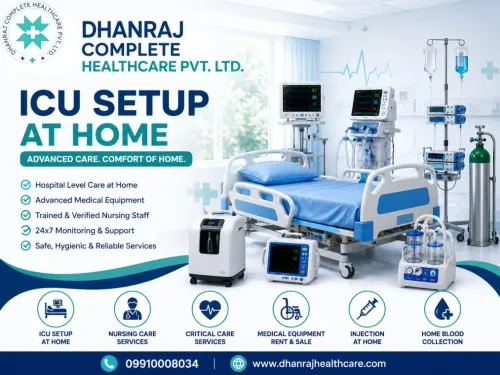
Depending on the patient's condition, the setup may include:
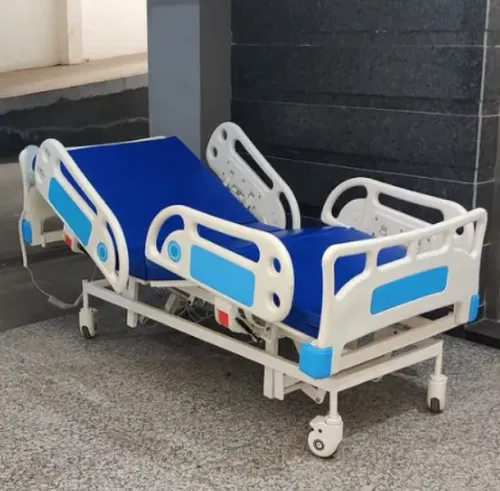
- ICU bed
- Oxygen support
- Cardiac monitoring
- Suction machine
- Infusion pumps
- Ventilator support
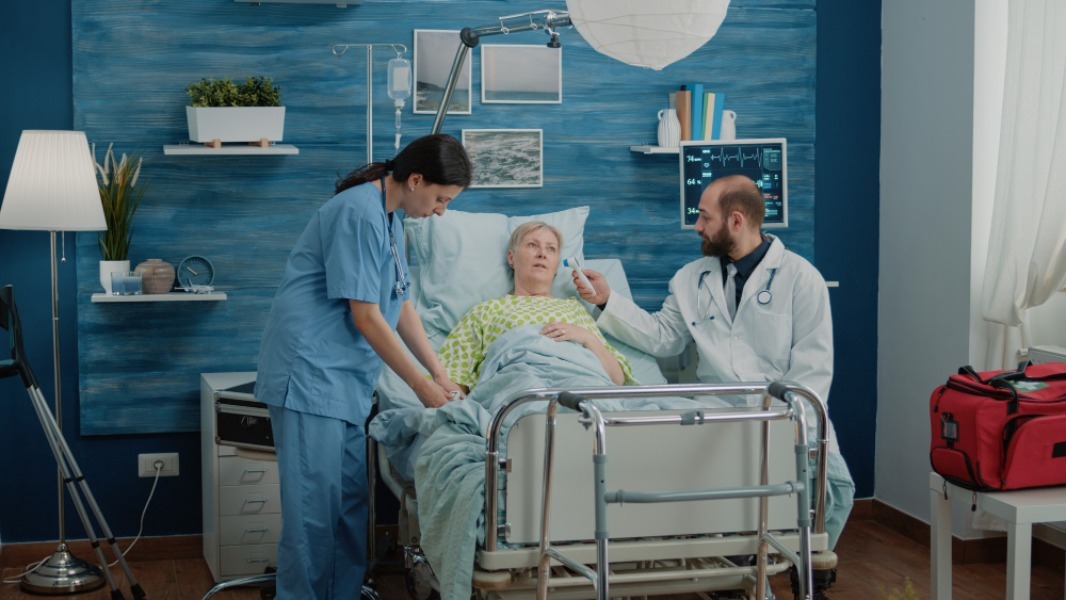
- Continuous nursing care
- Emergency response planning
The goal is to continue high-quality treatment outside the hospital whenever doctors consider it clinically appropriate.
Which Patients May Require Home ICU Services?
Doctors may recommend home ICU care for patients with conditions such as:
- Stroke recovery
- Neurological disorders
- Respiratory illnesses
- Long-term ventilator support
- Severe infections recovering after hospitalization
- Post-surgical critical care
- Advanced cancer supportive care
Not every ICU patient is suitable for home treatment. Medical assessment always determines eligibility.
Benefits of ICU Care at Home
Familiar Surroundings
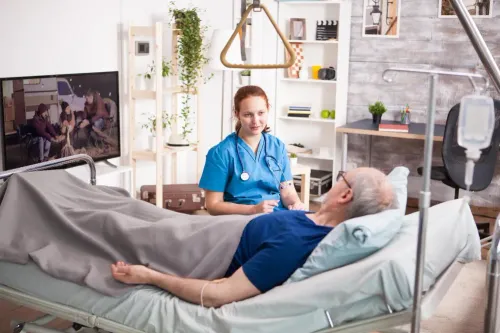
Many patients recover more comfortably when surrounded by family members rather than remaining in a hospital environment for extended periods.
Reduced Hospital Readmissions
Continuous monitoring and timely medical interventions can help identify problems before they become emergencies.
Personalized Medical Attention
Dedicated nurses and caregivers focus entirely on one patient's health status, improving consistency of care.
Emotional Well-being
Family interaction often contributes positively to mental health during prolonged recovery.
Essential Components of a Safe Home ICU
A properly organized ICU setup requires much more than medical equipment.
Important elements include:
- Qualified critical care nurses
- Physician supervision
- Infection control practices
- Reliable power backup
- Emergency response protocol
- Regular equipment maintenance
- Family education on patient care
Each component plays an important role in maintaining patient safety.
Questions Families Should Ask
Before arranging ICU care at home, it is helpful to clarify several important points.
Ask about:
- Equipment availability
- Nurse qualifications
- Shift scheduling
- Emergency escalation process
- Medical supervision
- Equipment servicing
- Clinical documentation
These discussions help families understand what level of care will be available throughout the recovery period.
Home Critical Care Is Becoming More Accessible
Healthcare services across Haryana have increasingly adapted to support patients beyond hospital walls. In cities like Gurugram, improved access to advanced medical equipment and trained professionals has made home ICU care a practical option for many medically stable patients requiring continued intensive support.
Although hospital ICUs remain essential during acute emergencies, carefully planned home ICU services can provide safe, effective, and compassionate ongoing care for selected patients under proper medical guidance.