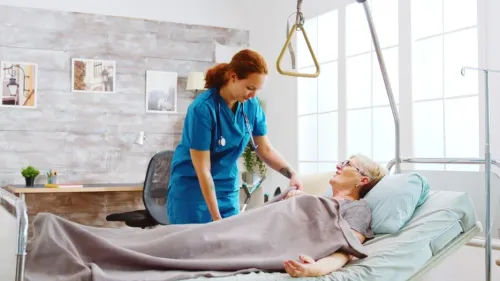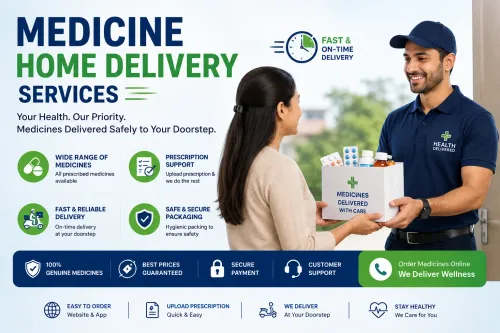


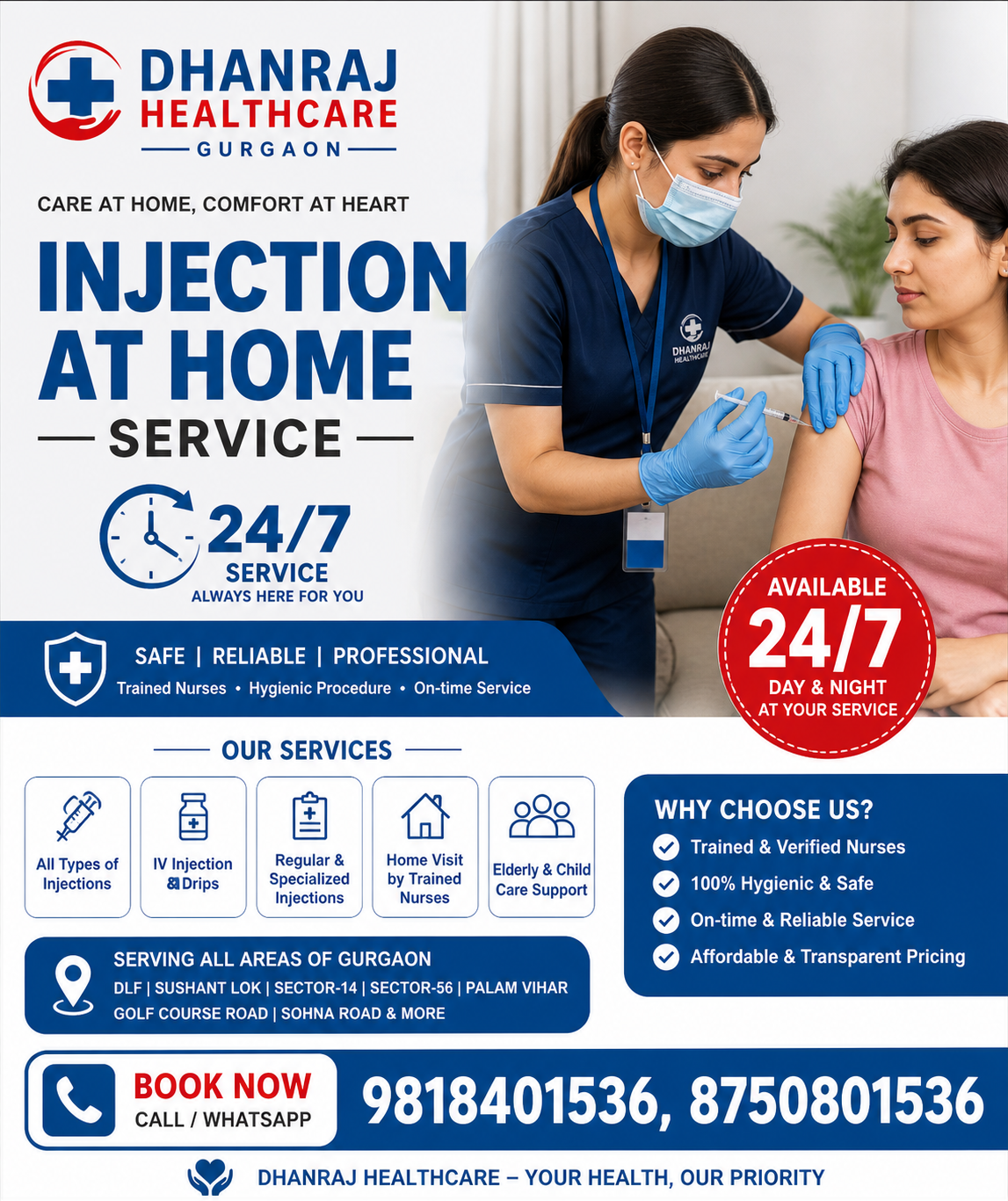
The healthcare industry is changing quickly, shifting from the sterile, frequently packed hallways of hospitals to the center of our homes. The need for at-home injection services is at an all-time high in a fast-paced metropolis like New Gurgaon, where comfort is paramount and time is a luxury.
Getting a skilled nurse to administer an injection at home is no longer just a convenience—it is now a clinical requirement, whether you are treating a chronic condition, recuperating from surgery, or making sure your elderly parents receive their scheduled immunizations.
The Need for Home-Based Nursing in Gurgaon
Thousands of families reside in high-rise townships in Gurgaon, which includes the thriving areas along the Dwarka Expressway and NH-48, including Sectors 28, 29, 30, 51, 52, 53, 82, 83, 85, 90, 92, and 102. Even though these places have state-of-the-art facilities, it can take hours to go to a hospital for a straightforward five-minute injection due to Gurgaon's severe traffic.
The physical strain of traveling to a clinic can frequently outweigh the advantages of the treatment itself for many people, particularly elderly people or patients with restricted mobility. Professional home healthcare providers fill the void in this situation.
The main advantages of receiving injections at home
1. Maximum Comfort, Zero Travel
The elimination of travel is the most evident advantage. Patients can avoid the stress of Gurgaon's rush hour traffic by remaining in their own beds or preferred chairs. Being in a familiar setting greatly lessens 'white coat syndrome' and anxiety in kids who are afraid of needles.
2. Reduced Hospital-Acquired Infection (HAI) Risk
Hospitals serve as hotspots for a variety of infections. A normal injection at a clinic raises the danger of cross-contamination for patients who have just undergone surgery or have compromised immune systems. Receiving care at home guarantees a sanitary, regulated setting that is exclusively for the patient.
3. Expert Accuracy and Security
The idea that home care is less 'serious' than hospital care is a prevalent misunderstanding. In actuality, qualified nurses who adhere to stringent clinical guidelines work for professional home nursing services. The 'Five Rights' of medicine administration are upheld by them:
The Right Medication for the Right Patient
Appropriate Dosage
The Correct Path at the Correct Time
4. Care Continuity for Chronic Illnesses
Injections are frequently needed on a daily or weekly basis for conditions like diabetes, deep vein thrombosis (DVT), or hormonal abnormalities. A planned nurse visit guarantees that no medication is missed, improving long-term health outcomes and reducing the need for emergency hospital stays.
Injection Types Used at Home
Not every injection is created equal. As directed by your physician, a skilled home nursing staff is qualified to manage different administration routes:
Vaccines, antibiotics, and vitamin supplements (such as B12) are frequently administered intramuscularly (IM). For quick absorption, they are injected deeply into the muscle.
Injections into the layer of fatty tissue directly beneath the skin are known as subcutaneous (SC) injections. Insulin and blood thinners like heparin or enoxaparin are typically administered in this manner.
Intravenous (IV) infusions and injections
injecting drugs or liquids straight into the vein
Cannulation and drip monitoring
particularly for IV antibiotics or hydration therapy
call for a high degree of expertise.
Intradermal injections are mostly used for skin-related treatments or allergy testing.