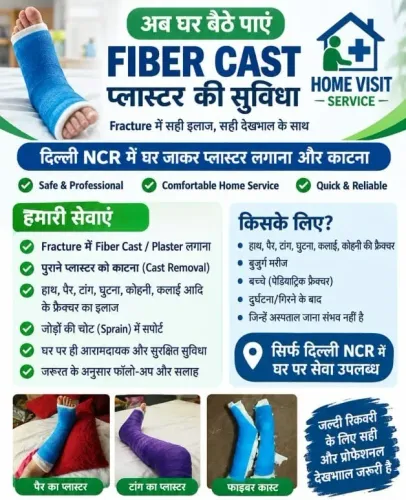



Recovery at home can remove difficult transfers and reveal practical barriers that a clinic visit cannot see, but it is safe only when the patient, home and care team match the medical needs. You will be able to judge whether home care fits, prepare the home and care plan, compare providers, and act quickly when recovery moves outside the scope of scheduled support.
Key takeaways
- Choose home care when the patient is medically stable.
- Assign clear tasks to the patient, caregiver and clinical team.
- Treat breathing trouble, chest pain or sudden confusion as emergencies.
- Check equipment, supplies, visit schedules and escalation contacts before discharge.
Which Patients Benefit Most From Home Care During Recovery?
Home care during recovery fits when the patient is medically stable, treatment can be delivered safely in the home, and someone can respond if the condition changes. Stable post-operative patients, mobility-limited patients, and people needing wound dressing, medication administration, injections, or physiotherapy often benefit.
A clinician should also confirm that the home has safe access, necessary equipment, and a reliable communication plan.
| Option | Best fit | Why choose another setting |
|---|---|---|
| Home patient care services | Stable symptoms, intermittent skilled nursing or therapy, and a safe home | Hospital care is safer for instability or continuous monitoring |
| Outpatient visits | The patient can travel safely and needs periodic review or therapy | Home care reduces harmful transfers and missed visits |
| Rehabilitation facility | The patient needs intensive daily therapy, supervised transfers, or round-the-clock support | Home care fits when function can improve with a coordinated home plan |
| Informal family help | The needs are simple, predictable, and non-clinical | Family assistance cannot replace trained nursing, therapy, or emergency backup |
Choose hospitalization or urgent assessment for uncontrolled bleeding, severe breathing difficulty, chest pain, fainting, new confusion, persistent vomiting, high fever, sudden weakness, or rapidly worsening pain. Do not wait for a scheduled visit.
Ask who will handle medicines, wound care, transfers, equipment alarms, meals, and emergency calls. If no trained person can cover essential tasks, or the patient needs continuous observation, home care is not the safer option.
What Each Person Should Do in a Home Recovery Plan
A safe plan names one person for every task; “the family” is not an assignment. The doctor establishes treatment goals, limits and follow-up, while home nursing care handles clinical work that requires assessment or training. Caregiver support covers routine help only after the person has been shown how to provide it.
Record these details in one shared paper or digital plan:
- Medication management: drug name, strength, dose, time, purpose, prescriber and who gives each dose. Reconcile the discharge list with every medicine actually in the home.
- Wound care: dressing type, cleaning method, schedule, signs to report and the nurse responsible.
- Transfers and walking: permitted weight-bearing, equipment, two-person assistance and who will help.
- Meals and fluids: diet, swallowing precautions, intake target and the person preparing or recording them.
- Equipment alarms: alarm meaning, safe response, backup contact and the time emergency help is called.
- Follow-up: appointment, test, transport and the clinician receiving home observations.
| Role | Assigned responsibility | Required record |
|---|---|---|
| Doctor | Diagnosis, prescriptions, escalation limits and review | Signed plan, contact route and follow-up date |
| Nurse | Assessment, medication teaching, injections, catheter or wound care | Visit notes, observations and missed-dose or wound report |
| Physiotherapist | Physiotherapy at home, exercises, transfers and mobility progression | Exercises, repetitions, precautions and progress |
| Caregiver | Meals, hygiene, routine medicines and alarm response after training | Task checklist and completion time |
| Family member | Coordination, supplies and emergency calls; supervision only if explicitly agreed | Handover notes and unavailable periods |
When Home Care Is Safe—and When It Becomes an Emergency
Home care safety ends when a symptom could worsen faster than a clinician can reach you. Use this escalation guide:
| Level | Action | Warning signs |
|---|---|---|
| Scheduled clinician call | Contact the nurse or treating clinician during the planned service window | Mild, stable wound drainage; a missed or unclear medication dose; equipment questions; gradually reduced appetite without repeated vomiting |
| Same-day doctor visit | Arrange a doctor assessment that day; do not wait for the next routine visit | Fever, increasing redness or swelling around a wound, persistent vomiting, worsening pain, new medication side effects, or a noticeable decline in walking or alertness |
| Emergency medical transport | Call emergency services and do not drive the patient | Severe breathing difficulty, chest pain, uncontrolled bleeding, fainting, blue lips, a seizure, sudden one-sided weakness, trouble speaking, or rapidly worsening confusion |
| Direct travel to an emergency department | Go immediately with a responsible adult only if the patient is stable enough for the journey | A concerning but stable change that cannot be assessed promptly at home, such as repeated vomiting with dehydration, rapidly worsening pain, or a high fever after surgery |
These post-operative warning signs need urgent assessment because a dressing change or routine home visit cannot rule out internal bleeding, infection, a clot, stroke, or heart problems. When to seek emergency care is not determined by the appointment schedule; call emergency services if the patient becomes unresponsive, struggles to breathe, or deteriorates during transport.
How to Prepare the Home, Equipment and Care Plan
Before the first visit, inspect the home care environment with the patient and clinician. A suitable room and medical equipment at home do not make recovery safe if the patient cannot reach the toilet, avoid hazards, or use the equipment correctly.
1. Set up a clean, well-lit dressing area with handwashing access, a covered waste bin, and space for sterile supplies. Keep pets, children, food, and clutter away during wound care.
2. Walk every route the patient will use. Remove loose rugs and cords, improve lighting, secure handrails, check footwear, clear stairs, and confirm toilet and bathing access. This is fall prevention at home; a walker or hospital bed does not correct poor transfers, dizziness, weak vision, or fall-risk medicines.
3. Confirm enough outlets, safe extension-free cable routes, backup power for essential devices, and dry storage away from heat. Check refrigerator space and temperature requirements for medicines that need refrigeration.
4. Request hands-on training for the patient and named caregivers covering setup, cleaning, alarms, battery changes, maintenance, storage, and emergency shutdown. Record who will handle transfers, meals, medicines, equipment alarms, and emergency calls.
5. Follow oxygen safety: keep oxygen away from flames, smoking, candles, oil-based products, and heat; secure cylinders upright; post a no-smoking notice; and confirm emergency oxygen and power arrangements.
6. Ask for written infection-control instructions covering hand hygiene, gloves and other personal protective equipment, sharps disposal, injection safety, and reusable-equipment cleaning.
7. Request a clinician-prepared recovery plan stating goals, medicines, wound care, therapy, visit frequency, warning signs, follow-up dates, and escalation contacts.
How to Compare Home Care Providers With Other Recovery Options
Compare clinical intensity, supervision, rehabilitation input, caregiver workload and emergency response—not convenience alone. Home care versus hospital is appropriate only when the patient is stable enough for planned management and the home has a reliable person for transfers, medicines, alarms and emergency calls.
| Option | Clinical oversight | Daily structure | Main limitation |
|---|---|---|---|
| Home healthcare provider | Nurse-led visits under a clinician’s plan; confirm nurse qualifications | Written schedule, medication reconciliation, wound checks, therapy and documented handovers | Visits are not continuous unless round-the-clock staffing is contracted |
| Hospital | Continuous monitoring, diagnostics and immediate escalation | Nurses and doctors available on the ward | Disruption, infection exposure, travel after discharge and higher intensity than needed |
| Rehabilitation facility | Nursing plus scheduled physiotherapy and occupational therapy | Structured therapy, meals and assistance with daily activities | Less individualised and not suitable for unstable medical problems |
| Family-led arrangement | Informal observation and practical help | Flexible, but depends on one person’s availability and skill | Missed doses, unsafe transfers and delayed escalation when supervision is assumed |
Choose a home healthcare provider when it supplies named nurses, verifies nurse qualifications, states visit times and replacement cover, and keeps a handover record showing symptoms, vital signs, medicines given, wound findings and pending tasks. Require a written escalation plan and genuine 24-hour emergency support; a phone number that only takes messages does not qualify.
When comparing Dhanraj Complete Healthcare Pvt. Ltd, ask who reconciles the discharge list with medicines at home and how the clinician receives each handover. Choose hospital care for chest pain, severe breathing difficulty, major bleeding, sudden weakness or rapidly worsening confusion.
Related products
 | Post-surgery nursing care at home Post-surgery nursing care at home 24x7 hours all surgery nursing services available Types, Advantages, and Significance of Postoperative CareNumerous advantages come with post-surgery... View product → |
 | Patient care services at home 24x7 hours all types of patients care services available here Benefits of patient care services in Gurugram include individualized, expert treatment... View product → |
Frequently asked questions
Which patients benefit most from home care during recovery?
Medically stable patients who can receive treatment safely at home often benefit, including people recovering from surgery, living with limited mobility, or needing wound dressing, medicines, injections or physiotherapy.
When is home care safe during recovery?
Home care is safe when the patient is medically stable, the home supports the required treatment, equipment and supplies are ready, and someone can respond if the condition changes.
What should each person do in a home recovery plan?
The patient should follow the treatment plan and report changes, the caregiver should support daily care and watch for warning signs, and clinicians should provide treatment, instructions and escalation guidance.
How should you prepare your home and equipment for recovery?
Prepare a clean, accessible care area, confirm required equipment and supplies, organise medicines and documents, and record clinician contact details and emergency instructions before care begins.
Related product
 | Home healthcare services in Gurugram Home healthcare services in Gurugram 24X7 hours all types of home healthcare services provided available here homelyhandshealthcare.com's list of advantages for home care nurses Benefits... View product → |